Tanga. The government has set a target of ensuring that at least 80 percent of Tanzanians attain financial literacy by 2030, up from the current 53.5 percent, according to the 2023 FinScope Survey.
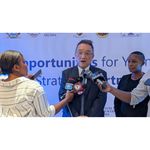
The commitment was announced by the Acting Commissioner for Financial Sector Development in the Ministry of Finance, Ms Dionisia Mjema, during a briefing with journalists in Tanga ahead of the National Financial Services Week, scheduled to take place from January 19 to 26, 2026.
Ms Mjema said studies on access to financial services have been conducted periodically since 2006, with subsequent surveys in 2009, 2013, 2017 and 2023. The findings show that only 53.5 percent of Tanzanians currently use formal financial services, including commercial banks, insurance and mobile money platforms.
She noted that while many citizens are familiar with informal financial arrangements such as savings groups, a large segment of the population still lacks adequate knowledge of formal financial services.
“These findings show that there is still a significant gap in financial knowledge, particularly regarding formal financial services, which limits people’s ability to make informed financial decisions,” Ms Mjema said.
She explained that the situation had prompted the government to strengthen its financial literacy strategy so that more citizens can better manage their finances, access appropriate financial products and improve their economic wellbeing.
“Our goal is to ensure that by 2030 at least 80 percent of Tanzanians have acquired financial education and are able to effectively use formal financial services,” she said.
Ms Mjema added that the National Financial Services Week is part of the implementation of the Financial Sector Development Master Plan for 2020/21–2029/30, which places strong emphasis on public awareness and education.
She said residents of Tanga and surrounding areas are expected to benefit from sessions covering personal financial management, savings, loans, investment, insurance, taxation and government securities.
“We expect that after this week, economic activities will increase, local government revenues will improve and investment will rise, leading to better delivery of social services such as education and infrastructure,” she said.
The Assistant Manager for Communications at the Bank of Tanzania (BoT), Mr Noves Mosea, said the event will also help participants understand how to invest in government securities, manage personal finances and submit complaints against financial institutions.
“All complaints related to loans or financial services will be handled through official channels, including the Bank of Tanzania’s SEMA system,” Mr Mosea said.
Meanwhile, the Marketing and Outreach Manager of the SELF Fund, Ms Linda Mshana, said the fund will showcase various affordable loan products aimed at helping citizens avoid exploitative lending.
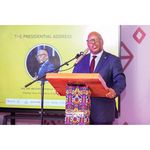
“Our aim is to enable citizens to access loans with low interest rates and friendly terms so they can improve their livelihoods,” Ms Mshana said. The National Financial Services Week will be held at the Usagara Grounds in Tanga and will be officially opened by the Minister for Finance, Ambassador Hamis Mussa Omari. It will be held under the theme: “Financial Literacy: The Foundation of Economic Development.”
Register to begin your journey to our premium contentSubscribe for full access to premium content