Tanzania set to benefit as Lifezone signs Burundi nickel agreement
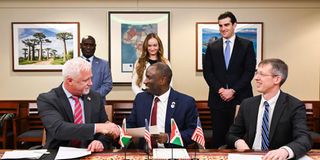
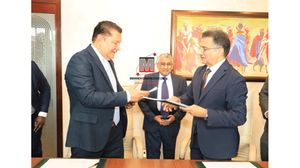
Lifezone Chief Executive Officer Chris Showalter, Burundi's Minister of Mineral Resources, Energy, Industry, Trade, and Tourism Dr Hassan Kibeya, and U.S. Deputy Assistant Secretary of State for Central Africa and Commercial Engagement in the Bureau of African Affairs Sarah Troutman, at the signing of an exclusivity agreement on the Musongati nickel laterite project at the U.S. Department of State, Washington, D.C., alongside representatives of the United States government and other stakeholders. PHOTO | COURTESY
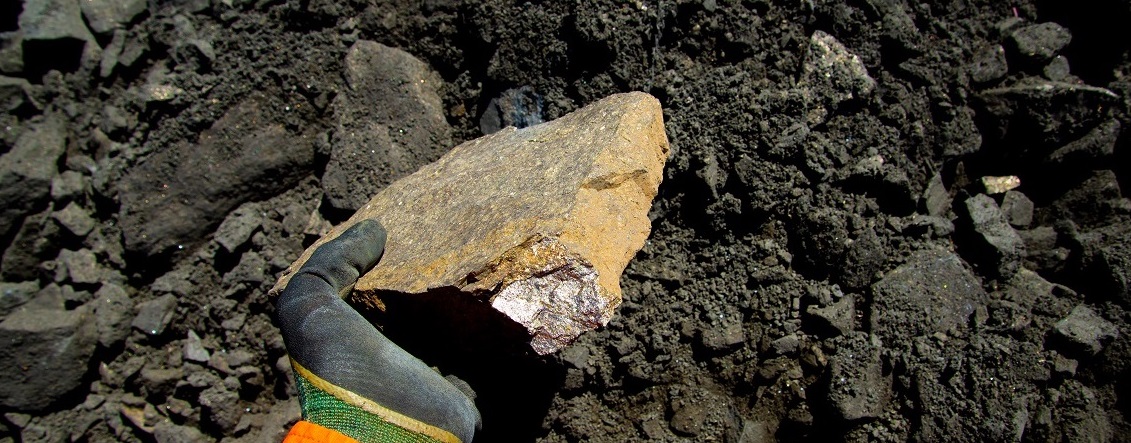
Dar es Salaam. On March 10, 2026, Lifezone Metals (NYSE: LZM), parent company of Tembo Nickel, signed a 14-month exclusivity agreement with the Government of Burundi, with the potential for extension, covering the Musongati nickel laterite deposit. The deposit has an average nickel grade of 1.31 percent, copper at 0.21 percent and cobalt at 0.09 percent, and is estimated at over 150 million metric tonnes. It is located about 200 kilometres south-west of Kabanga, Ngara, within the East African Nickel Belt.
The agreement was signed by Lifezone Metals chief executive officer Chris Showalter and Burundi’s Minister of Mineral Resources, Energy, Industry, Trade and Tourism, Dr Hassan Kibeya, at the United States Department of State in Washington, D.C., in the presence of the US Deputy Assistant Secretary of State for Central Africa and Commercial Engagement, Sarah Troutman.
The development highlights the strategic role of Tanzania’s Standard Gauge Railway (SGR), its mineral beneficiation policies, and efforts to position the country as a regional industrial and refinery hub, in line with Vision 2050, which aims for a $1 trillion economy.
The government’s extension of the SGR westward is a key infrastructure initiative. Phase II of the Joint Tanzania-Burundi-DR Congo SGR Project, financed with $696.41 million from the African Development Bank, aims to unlock Musongati’s nickel potential. Construction of the Tanzania-Burundi section began on August 16, 2025 under a $2.154 billion contract. The railway will also serve Tembo Nickel’s Kabanga project, transporting final products from Kabanga and Kahama to Dar es Salaam, demonstrating Vision 2050’s integrated logistics approach.
The Kahama Refinery, licensed for multi-metal processing by Tembo Nickel in the Buzwagi Special Economic Zone in Shinyanga, will use Lifezone Metals’ Hydromet Technology to produce battery-grade nickel, with copper and cobalt as byproducts. By consolidating Kabanga and Musongati, the refinery could become a regional processing centre for the East African Nickel Belt.
Tanzania stands to gain in several areas. The SGR Central Corridor links Kahama to the Port of Dar es Salaam, with Musongati adding cross-border freight volumes. The government holds a 16 percent non-dilutable stake in Tembo Nickel, giving it direct equity in the Kahama Multi-Metal Processing Facility. Kabanga is expected to create 1,090 direct jobs, 91 percent for Tanzanians, plus thousands of indirect roles. The Kahama facility will produce finished nickel products, with Musongati increasing in-country value addition. The SGR and Musongati nickel strengthen the Port of Dar es Salaam as East Africa’s main export port for critical metals.
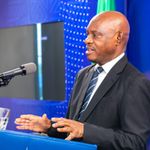
“Vision 2050 sets Tanzania on a path to a one trillion-dollar economy. Tembo Nickel contributes through sustainable mining, local refining, logistics infrastructure, and an equity structure that benefits all Tanzanians,” said CEO of Tembo Nickel, Benedict Busunzu.
The agreement advances integrated logistics, mineral beneficiation, private-sector industrialisation and regional engagement, providing evidence that Tanzania’s Vision 2050 strategy is progressing.