Dar es Salaam. The government is moving to reduce the time oil tankers spend at the port by improving the handling, storage and distribution of petroleum products, in a move aimed at cutting costs and improving efficiency across Tanzania’s fuel supply chain.
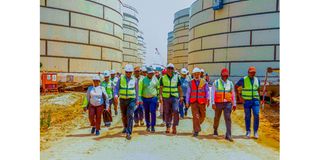
Speaking on August 14, 2026, during an inspection of petroleum infrastructure at the Tanzania Ports Authority (TPA) and Tanzania International Petroleum Reserves Limited (TIPER), Ministry of Energy Permanent Secretary responsible for Petroleum and Gas Dr James Mataragio said vessels arriving in the country should discharge their cargo and leave without unnecessary delays.
“Our expectation as the government is to see ships arrive, discharge petroleum products and leave. Every institution must understand its responsibility and prepare accordingly,” he said.
Dr Mataragio said the government was working to improve coordination among institutions involved in the importation and handling of petroleum products to prevent vessels from remaining at the port longer than necessary.
He said slow receipt and clearance of petroleum products at some privately owned storage facilities was among the factors contributing to prolonged stays by oil tankers.
The delays create bottlenecks in the petroleum supply chain, forcing vessels to wait before their cargo can be discharged and increasing congestion at the port.
Dr Mataragio directed Petroleum Bulk Procurement Agency (PBPA) Chief Executive Officer Erasto Simon to strengthen oversight of privately owned storage facilities and ensure operators invest in infrastructure capable of handling petroleum products efficiently.
He said storage facility owners should upgrade pumps and other equipment, particularly at facilities where ageing or inadequate infrastructure was slowing the receipt of fuel supplies.
“Delays at the port increase operational costs, including charges associated with vessels waiting to discharge their cargo, and these costs can eventually have an impact on petroleum prices for consumers,” he said.
The government’s intervention will therefore target the wider petroleum supply chain, from the arrival of vessels at the port to the transfer of fuel into storage facilities.
PBPA Chief Executive Officer Erasto Simon said the agency would bring together key petroleum industry stakeholders, including oil marketing companies (OMCs) and TPA, to review the Standard Operating Procedure Manual governing the handling of petroleum products.
“We will meet with key stakeholders in the petroleum sector, including oil marketing companies and TPA, to review and improve the Standard Operating Procedure Manual. The review will clearly define the responsibilities of every stakeholder, set timelines for implementation and strengthen accountability throughout the process,” he said.
The review is expected to improve coordination between vessels and petroleum storage facilities, reduce the time oil tankers spend at the port and limit costs associated with delays.
The government’s focus on improving petroleum handling comes as efficient fuel imports and distribution remain important to transport operators, businesses and households that depend on reliable supplies.
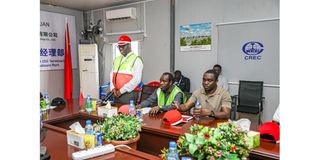
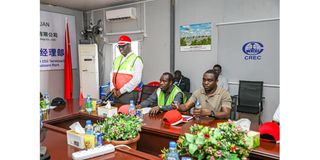
During the inspection, Dr Mataragio was accompanied by Petroleum Commissioner Goodluck Shirima, PBPA Chief Executive Officer Erasto Simon, Dar es Salaam Port Manager Abed Gallus Abed, Energy and Water Utilities Regulatory Authority (Ewura) Eastern Zone Manager Engineer Lorivii Long’idu and experts from the Ministry of Energy.