Josephine Christopher is a senior business journalist for The Citizen and Mwananchi newspapers
Mwananchi Communications Limitted
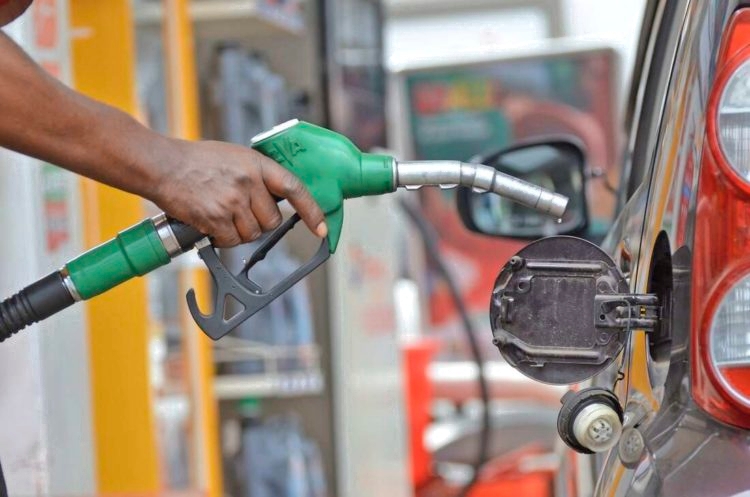
Dar es Salaam. Tanzanian motorists may see relief at the pump in 2026 as global oil markets forecast a shift toward oversupply and weaker crude prices.
Global market forecasts suggest that crude prices are likely to remain subdued in 2026, with analyst surveys pointing to Brent crude averaging in the low-to-mid $60s per barrel, with some forecasts indicating a possible slide into the $50s if oversupply intensifies.
This comes amid rising production from major exporters and renewed output from nations such as Venezuela, which analysts say could add to global crude supplies.
Secretary General of the Tanzania Petrol Stations Operators Association (TAPSOA), Mr Tino Mmasi, said there is a strong reason to believe that fuel prices in Tanzania will moderate accordingly.
“It is true prices will go down in the coming months of 2026 because we depend heavily on world prices,” Mr Mmasi said, noting that the strength of the Tanzanian shilling from late 2025 into 2026 has helped to lower the landed cost of imports.
He recalled that in the previous three to four months, local fuel prices declined significantly after the shilling gained against the dollar.
According to Energy and Water Utilities Regulatory Authority (Ewura) cap prices of Wednesday, January 7, 2026, petrol delivered through the Dar es Salaam port is selling at Sh2,778 per litre in January, up from Sh2,749 in December. Diesel dropped to Sh2,726 per litre from Sh2,779 while kerosene increased to Sh2,763 from Sh2,653.
Mr Mmasi cautioned, however, that changes in the global crude prices do not translate instantly to local retail pump prices, because fuel is typically ordered two to three months in advance.
Executive Director of the Tanzania Association of Oil Marketing Companies (Taomac), Mr Raphael Mgaya, echoed the outlook, saying the global oversupply narrative predated recent developments.
“Even before current global events, issues in Venezuela and other markets already pointed to a forecast of price declines to the $50s per barrel this year,” Mr Mgaya said.
He explained that as Venezuela, previously under-producing, expands output under new conditions, the extra crude will increase global supply and exert downward pressure on prices.
Mr Mgaya predicted a prolonged period of price relief in the coming months if the oversupply persists.
“Because Tanzania imports our oil and the global price takes a large share of the cost we pay, the more it goes down, the less pricey fuel becomes here,” he said.
For everyday motorists, lower global oil prices could mean a noticeable reduction in fuel expenditures, particularly for petrol and diesel.
Transport operators, who have been battling high operating costs driven by fuel price volatility, stand to benefit most.
Cheaper fuel could also help moderate inflation, especially for goods and services that are sensitive to transport costs.
Chief Executive Officer of the Institute of Management and Entrepreneurship Development Dr Donath Olomi said Tanzania’s heavy dependence on imported fuel continues to shape the cost structure of the entire economy.
“Tanzania imports large volumes of petroleum products, and this has a direct impact on the cost of almost everything,” he said.
He explained that fuel is a core input not only in transport, but also in industrial production, agriculture, raw material processing and trade.
“If fuel prices decline, the relief will not be limited to transport costs. It will lower production expenses, ease farming operations, reduce the cost of raw materials and improve business efficiency across sectors,” Dr Olomi said.
He added that, in general, a sustained reduction in fuel prices can make a meaningful contribution to economic growth by improving profitability for firms, increasing disposable income for households and stimulating consumption.
“Overall, you can say that a drop in fuel prices has the potential to significantly support economic expansion,” he said.
These views align with the latest assessment by the Bank of Tanzania.
Following the meeting of the Monetary Policy Committee on January 7, 2026, Governor of the Bank of Tanzania Emmanuel Tutuba said global crude oil prices had declined to between $62 and $65 per barrel in the fourth quarter of 2025, and are expected to remain within the same range in the subsequent quarter, driven by ample global supply and subdued demand.
“This trend will continue offering relief to Tanzania’s inflation, foreign currency demand, and exchange rate stability, as oil imports currently account for about 17 percent of goods imported,” the central bank governor wrote in the MPC statement.
Register to begin your journey to our premium contentSubscribe for full access to premium content