The first 100 days in office have long been a global benchmark for evaluating the direction and priorities of a new administration.
This practice dates back to US President Franklin Delano Roosevelt, who in 1933 used his initial 100 days to introduce sweeping legislation addressing the Great Depression. Roosevelt’s agenda, known as the New Deal, was structured around three pillars: Relief for the unemployed, Recovery of the economy, and Reform of the financial system to prevent future crises. By the end of his first 100 days, 15 bills had passed Congress and 76 new laws enacted, setting a precedent for early-term evaluations worldwide.
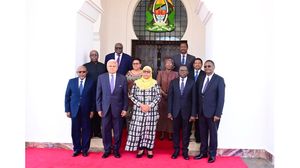
In Tanzania, 27 June 2021 marked 100 days since President Samia Suluhu Hassan assumed office following the death of her predecessor, Dr John Magufuli.
Today, 11 February 2026, marks 100 days of her second term, which began on 3 November 2025. Comparing the two periods highlights the evolving priorities, challenges and leadership style of Tanzania’s first female president.
During her first term, President Hassan focused on stabilising governance and healing a nation still grappling with political and institutional tensions.
She distinguished herself from her predecessor by promoting a more balanced approach to state institutions.
Among her early actions, she pardoned 36 Uamsho prisoners who had been in detention for nearly eight years, halted the enforcement of abusive taxes and directed the Prevention and Combating of Corruption Bureau (PCCB) to withdraw politically motivated cases, leading to the dismissal of 47 charges.
The first 100 days were marked by hope and reassurance. Citizens across all sectors, including business, civil service, and ordinary communities, saw a new approach rooted in listening, empathy and accountability.
Government workers who had gone years without promotions or salary adjustments witnessed renewed attention to fairness, while political actors, civil society and the media welcomed an inclusive style of governance.
By contrast, President Hassan’s second term carries both clear electoral commitments and new challenges.
Her administration has already delivered on some promises within the first 100 days, including creating 12,000 jobs: 7,000 for teachers and 5,000 for health sector workers.
Hospitals have been instructed not to withhold bodies due to unpaid medical bills, and national health insurance pilots have been launched.
Other commitments, including establishing a reconciliation commission and initiating constitutional reforms, are pending, awaiting the outcomes of the October 29, 2025, incident, which continues to shape national discourse.
The second term’s first 100 days are also defined by complexity. Tanzania faces lingering social, political and economic challenges, including corruption, public anxiety and heightened online dissent.
Social media is replete with criticism, with some calling for foreign intervention or even advocating for divisive ideas undermining national unity.
These issues underscore the delicate balance between governance, citizen trust and national cohesion.
The distinction between the two periods lies in context and scope. The first term was largely about stabilisation and symbolic leadership, reassuring the nation and consolidating authority.
The second term is more policy-driven, grounded in electoral promises and burdened by urgent national challenges.
President Hassan’s leadership now demands concrete actions to restore confidence, address institutional weaknesses and safeguard Tanzania’s unity.
Historically, Tanzania has largely been led by presidents from Tanganyika. Of the six presidents since independence, only Ali Hassan Mwinyi hailed from Zanzibar.
Today, as the country approaches its 62nd year of independence, these historical nuances continue to influence perceptions and expectations of national leadership.
As President Hassan completes her first 100 days in the second term, the country watches closely. While the first term inspired hope and reassurance, the second term calls for decisive interventions.
Tackling corruption, addressing social divisions, implementing promised reforms, and managing the aftermath of the October 2025 incident will define her legacy in this period.
Citizens await a blend of firm governance, transparency, and empathy, reflecting the lessons learned from her earlier term while navigating a more complex political and social landscape.
The 100-day benchmark, therefore, remains a critical lens through which to assess leadership.
For President Hassan, the task is clear: move beyond stabilisation to active reform, ensuring that governance, development, and national unity are strengthened.
How effectively she navigates these challenges will set the tone for the remainder of her term and shape Tanzania’s political trajectory for years to come.
Luquman Maloto is a social and political commentator, based in Dar es Salaam
Register to begin your journey to our premium contentSubscribe for full access to premium content