In Mwanza the Sukuma Museum stands as a vital custodian of Tanzania’s cultural heritage. The institution preserves the traditions, beliefs, and history of the Sukuma people, one of the country’s largest ethnic groups, ensuring that centuries-old customs continue to endure despite the pressures of modernisation.
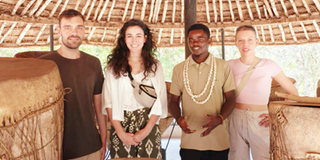
For Mohamed Masaga, a University of Dar es Salaam student and tour guide at the Bujora Cultural Centre and Sukuma Museum in Kisessa, the mission is deeply personal. He believes that safeguarding cultural memory is essential for national identity. Centuries before the arrival of Christianity and Islam, the Sukuma people had vibrant traditions, complex belief systems, and established forms of governance. He says his life’s purpose is to ensure that this proud heritage is not forgotten.
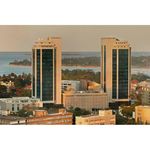
In fact Mwanza City has grown into a dynamic melting pot of cultures. High-rise buildings, expanding trade, and a booming economy now dominate the s akyline.
The city attracts Tanzanians from across the country, as well as international visitors and investors. This rapid development could easily have swallowed the traditional rhythm of life that once defined the region. Yet the establishment of the Sukuma Museum has ensured that, amid modern transformation, there remains a powerful reminder of the need to cherish cultural foundations.
The Sukuma, one of Tanzania’s largest ethnic groups, had a highly organised political and social system long before the formation of the modern nation-state.
Even before the arrival of Europeans, the Sukuma people had established strong chiefdoms, numbering 52 in total. These chiefdoms governed extensive territories and maintained systems of law, leadership, and economic organisation.
Their mastery of metalwork formed a cornerstone of their economy.
Iron smelting enabled the production of weapons, farming tools, and trade items. This technical knowledge supported agriculture, defence, and commerce, allowing the Sukuma to thrive.
Evidence of this ingenuity is carefully preserved at the museum. As visitors walk through the grounds, they encounter small clay furnaces and traditional tools displayed beneath shaded areas. These artefacts illustrate the techniques used by blacksmiths to shape iron and forge weapons.
Forging was not merely a technical process. It carried ritual significance. Traditional science was interwoven with spiritual belief. Craftsmen and warriors prayed for protection in battle and for abundant harvests. These rituals reflected a worldview in which the physical and spiritual realms were inseparable. Through such practices, the Sukuma sought harmony between human endeavour and divine blessing.
The museum houses an extensive collection of authentic artefacts that transport visitors back several centuries. Traditional Sukuma huts, reconstructed with meticulous care, reveal remarkable knowledge of architecture and environmental awareness. The positioning of these structures reflects close attention to the solar cycle.
“Our houses always had two doors,” Mohamed explained. “One faced east, where the sun rises, so that the morning light could enter and bring blessings. The other faced west, capturing the sunset as we bid farewell to the sun. This design ensured balance and harmony within the household.”
One of the most captivating attractions at the museum is the traditional dance involving snakes, usually a python. These large, non-venomous reptiles have long featured in ceremonial performances. Historically, Sukuma dancers handled all types of snakes, including highly venomous species.
This daring tradition symbolised courage, spiritual protection, and mastery over fear. “We have special antivenom prepared by our traditional healers,” Mohamed said. “It was always available when someone was bitten. At the museum, elders can demonstrate how it was prepared and how it still works today.”
Visitors are not allowed to participate in the dance, though photography is permitted. While pythons lack venom, they can coil tightly around a person and exert immense pressure, capable of causing serious injury. Handling them requires expert skill, discipline, and experience. The dancers’ precision and composure command both awe and respect.
Students from across the Lake Zone, including Musoma, Geita, and Shinyanga, regularly visit the museum. They come to learn about a history that has largely been preserved through oral tradition. For generations, Sukuma knowledge and customs were passed down through folktales, songs, and storytelling. This oral transmission adds a layer of mystery and richness to the culture, while also highlighting the fragility of memory in the absence of written records.
For Mohamed, working as a tour guide is both a privilege and a calling. Each day, he steps between the past and the present, guiding visitors through narratives that shaped his people. He welcomes local and international tourists eager to understand Sukuma heritage and its place within Tanzania’s broader cultural tapestry.
The museum also displays artefacts associated with offerings and sacrifices, practices that remain central to Sukuma spirituality. Mohamed emphasised that such traditions have never ceased.
“Muslims slaughter goats and other permitted animals during Eid al-Adha,” he said. “For us, sacrifices have always been part of our history, and we continue to practise them.”
Offerings are made during ceremonies such as the ordination of diviners and traditional healers. These rituals reinforce the community’s spiritual connection and maintain continuity with ancestral practices.
For the Sukuma, such ceremonies are sacred undertakings that sustain moral order, social cohesion, and spiritual balance.
Mohamed expressed concern that African traditions have often been misrepresented as dark or primitive following the introduction of foreign religions. He argued that this perception has contributed to cultural erosion and loss of identity.
“Before the second century, there was neither Christianity nor Islam,” he said. “Our people lived in prosperity. When they needed rain, they prayed to their gods, and rain would come. We had rituals and thriving economic activities at the same time.”
He believes that young Africans, in particular, must take responsibility for safeguarding cultural heritage. Rapid urbanisation, globalisation, and modern lifestyles have widened the gap between generations and weakened traditional bonds. Without deliberate efforts to preserve history, invaluable knowledge risks being lost.
At the museum, Mohamed finds hope in the curiosity of young visitors. He takes particular pleasure in guiding primary school pupils through the exhibits. Holding their hands as he leads them from one display to another, he sees a spark of interest that reassures him about the future.
“I fear that many Sukuma people living in urban areas are unaware of their rich history,” he said. “I hope they come here to learn.”
Even names, he noted, carry profound historical significance. “My name, Masaga, is tied to the legacy of my forefathers. We should all be able to trace and appreciate our lineage.”
Drawing parallels with other faiths, Mohamed suggested that African communities should establish days of remembrance for their ancestors. “Just as Christians honour their saints, our saints are our forefathers. We should set aside a day to remember them, clean their graves, dance, drink, and celebrate their lives, which paved the way for who we are today.”
Tanzania has invested heavily in wildlife tourism and the promotion of national parks. While this has brought significant economic benefits, Mohamed argued that cultural tourism deserves equal attention. He believes it forms the core of national identity.
“You cannot visit Tanzania without understanding the traditions of its people,” he said. “The lions, the mountains, and the landscapes are important, but so are the communities who have lived alongside them for centuries.”
At the museum, detailed maps illustrate the territories once governed by the Sukuma chiefdoms. Exhibits explain how these territories eventually became part of modern Tanzania. The narrative traces the transformation from independent chiefdoms to a unified nation-state, highlighting both cooperation and resistance.
Although Sukuma history has largely been preserved through oral accounts, some efforts have been made to document it in writing. These initiatives aim to safeguard stories of courageous chiefs who defied colonial authority and defended their lands. Such accounts offer insight into the resilience and determination that shaped the community’s collective identity.
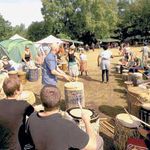
The museum remains a living repository of this heritage. Royal drums, once integral to ceremonies and communal gatherings, are displayed prominently. Visitors are invited to beat them, creating rhythms that echo across the grounds and revive ancient sounds. This interactive approach allows guests to experience, rather than merely observe, cultural expression.
For those unable to travel to Mwanza, similar experiences are available at the Village Museum in Kijitonyama, Dar es Salaam. There, artefacts and exhibits representing all Tanzanian tribes offer a comprehensive overview of the nation’s cultural diversity. Together, these institutions serve as bridges between past and present, rural and urban, tradition and modernity.
“These cultural museums are the last line of defence in preserving our heritage,” Mohamed said. “They promote understanding among tribes and communities. They foster harmony and cooperation, especially among young people. Once they know what unites us, they can build a stronger society.”
He urged Tanzanians to take pride in their culture and to recognise its value. In a rapidly changing world, he argued, cultural knowledge offers stability, identity, and purpose. By embracing their roots, communities can navigate modern challenges without losing their sense of self.
As Mwanza continues to grow and evolve, the Sukuma Museum stands as a quiet yet resolute guardian of memory. Its exhibits tell stories of ingenuity, resilience, and spiritual depth. Through the dedication of individuals like Mohamed Masaga, these stories continue to be shared, ensuring that the legacy of the Sukuma people endures for generations to come.
Register to begin your journey to our premium contentSubscribe for full access to premium content