Dar es Salaam. The government has launched strategic interventions to curb heavy lorry congestion and the proliferation of inland container depots (ICDs) in Dar es Salaam by migrating cargo to rail, starting late this month, via the Kwala Inland Container Depot.
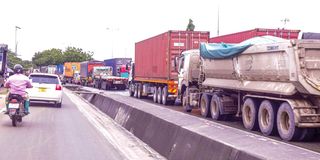
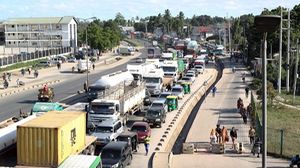
The announcement was made on Monday, March 2, 2026, by Transport Minister Prof Makame Mbarawa Mnyaa, who noted that currently over 90 percent of cargo leaving Dar es Salaam Port is road-bound, a factor contributing to chronic traffic gridlock, damaged road networks, and rising accident rates.
Prof Mbarawa outlined the plan, which follows previous state directives, just 24 hours after The Citizen’s sister newspaper, Mwananchi, reported on the city’s severe transport hurdles, where the uncontrolled spread of ICDs remains the primary source of congestion.
The expansion of ICD operations across Dar es Salaam has triggered outcry from residents living near major highways and residential zones.
They argue that such investments have proceeded without adequate urban planning, environmental assessments, or genuine consultation with the local communities.
Inland ports function as logistics hubs for receiving and processing containers outside the primary port, intended to alleviate quayside bottlenecks and streamline the movement of goods to the hinterland or neighbouring landlocked nations.
However, some citizens argued that the rise of these facilities within residential neighbourhoods has become a public nuisance, despite official rhetoric regarding transport infrastructure expansion to bolster trade.
In its report, Mwananchi detailed the daily hardships and logistical disruptions residents endure.
Briefing journalists in Dar es Salaam on Monday, March 2, 2026, regarding Tuesday, March 3, 2026, foundation stone-laying for 15 oil tanks in Kigamboni, where President Samia Suluhu Hassan is the guest of honour, Prof Mbarawa said the state has started bolstering the Kwala ICD in the Coast region to relocate container handling outside the commercial capital.
He stated the government intends to ensure 70 to 80 percent of cargo bound for rail-linked destinations is moved via the modern SGR and MGR networks.
“By shifting cargo to rail, we diminish lorry volumes, accidents, and structural road damage, while simultaneously enhancing efficiency and lowering overheads for businesses,” he remarked.
He added that the strategy forms part of a wider government agenda to fortify the transport sector and sharpen Dar es Salaam Port’s competitive edge within the East and Central African corridors.
Prof Mbarawa admitted that previously, numerous ICD permits were issued, leading to many centres being established mid-city and further exacerbating the prevailing congestion.
“A regulator enforces the law, and I believe licences meet legal criteria, but the state is now pivotting. We built the massive Kwala ICD because we intend to phase out those town-based ICDs licensed years ago,” said the minister.
He stressed that the government is upgrading Kwala to shift container logistics away from the urban core.
According to him, the move targets reducing lorry numbers in central Dar, halting road erosion, and eliminating the nuisance for residents.
“We want to purge container congestion from town; that is why we are empowering Kwala and other peripheral sites. Cargo will be processed there, including dedicated zones for Burundi and the Democratic Republic of Congo (DRC),” he said.
Prof Mbarawa said the state has committed to revitalising the transport sector through significant port and rail investment, boosting Dar es Salaam Port’s standing in the Indian Ocean.
On July 31, 2025, President Hassan, commissioning Kwala ICD, said it would slash transport costs, clear Dar es Salaam’s streets of lorries, and optimise port throughput.
“This facility answers Tanzania’s long-standing requirement for a modern inland port outside Dar es Salaam; its importance is paramount,” said the President.
Foundation stone ceremony
Prof Mbarawa confirmed that President Hassan will lead the foundation stone-laying ceremony for 15 oil storage tanks at Dar es Salaam Port. The tanks, boasting a 380,000-tonne capacity, cost Sh678.6 billion.
He noted the event occurs in Kigamboni’s Mnadani area, representing a long-term strategy to enhance the port’s ability to manage petroleum products and strategic shipments.
"This initiative aims to bolster national energy reserves, reduce vessel queuing, and improve offloading speeds," said Prof Mbarawa.
Project data indicates some large tankers currently wait six to 10 days to discharge due to infrastructure deficits.
Completion of these tanks will slash turnaround times to three days, significantly boosting port performance.
Register to begin your journey to our premium contentSubscribe for full access to premium content