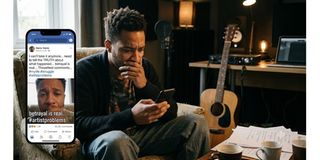
Fame has always been the dream. For many artistes, it represents success, the moment their names appear on billboards, their songs dominate playlists and their voice become part of everyday conversations.
But in the age of social media, where every moment can become content, fame also comes with a difficult question: how much of an artiste’s life should belong to the public?
Relationships, family issues, personal battles and emotional experiences are increasingly finding their way into public discussions.
A few minutes on a livestream, a spontaneous interview or a social media post can turn a personal story into a national conversation before an artiste even realises what has happened.
For some musicians, opening up is part of building a stronger relationship with fans. Sharing personal experiences allows audiences to see beyond the stage performances and understand the person behind the celebrity image.
However, industry observers warn that the growing culture of oversharing is creating new risks, especially when artistes reveal information that may affect their lives long after the attention disappears.
Former Personal Data Protection Commission (PDPC) official and public communication specialist Innocent Mungy believes many public figures underestimate the consequences of placing private information in the public domain.
According to him, artistes have every right to share their journeys, but they must understand that some stories can affect their dignity, relationships and reputation for years.
“I have seen artistes sharing very personal matters. Someone may say, ‘I ended my marriage because my partner did something to me.’ When you put such information into the public space, people can continue discussing it because you have already introduced it to the public,” he says.
The challenge becomes even greater when those stories involve people around the artiste, partners, relatives or children who never agreed to have their personal lives examined by millions of strangers.
“Even saying that someone has a child who is not theirs is private information. Such statements can create conflict and affect the dignity of the people involved,” Mr Mungy adds.
The arrival of social media has changed the meaning of privacy. Unlike the past, when information could disappear after a conversation ended, digital platforms can preserve personal moments indefinitely.
A statement made during an emotional period can be recorded, shared and discussed years later.
Deleting the original post does not always erase the impact because copies may already exist elsewhere online.
For many content platforms, controversy often attracts more attention than creativity.
A personal struggle can generate more engagement than an artiste’s latest song, album or professional achievement.
This has created a difficult environment where some artistes feel pressure to remain constantly visible, even when that visibility comes at the expense of their privacy.
Mr Mungy believes the responsibility does not only fall on artistes but also on audiences and online platforms that consume private information.
“Some people call themselves gossip bloggers, but in the process they publish information that humiliates people, causes harm and affects their dignity. The Personal Data Protection Act, 2022 (Chapter 44), provides protection against misuse of personal information,” he says.
Beyond the legal concerns, entertainment professionals argue that privacy has become an important part of protecting an artiste’s career.
Talent manager Godfrey Abel says an artiste’s public image is one of their most valuable assets.
“An artiste is not only selling a song; they are also selling trust, professionalism and a public image. When private matters dominate conversations, sometimes the music is forgotten,” he says.
For him, the solution is not for artistes to completely distance themselves from fans, but to understand where openness should end.
“There is a difference between connecting with your audience and giving away information that can later be used against you. Sometimes emotions are high when someone speaks publicly, but the internet remembers everything,” Mr Abel explains.
The problem is also connected to how technology has changed human behaviour.
Digital technology specialist Dominick Dismas says many people underestimate the permanence of online information and the speed at which personal details can spread.
“Once information enters the digital space, controlling its movement becomes difficult. Removing the original post does not always remove the impact because other people may have already saved or shared it,” he says.
For artistes whose careers depend heavily on their public identity, every online action contributes to the image they create.
“Your online presence becomes part of your brand. Before sharing something personal, you have to consider how it may affect you in the future,” Mr Dismas adds.
However, experts note that oversharing is not always driven by poor judgement. Sometimes it is influenced by the pressure that comes with maintaining relevance in a competitive entertainment industry.
Social psychologist Shabani Rizki explains that public figures often operate in an environment where attention and audience approval are closely connected to success.
“Artistes are constantly under pressure to remain visible and connected with their audiences. Sometimes that pressure can influence the decision to share personal experiences without thinking about the long-term effects,” he says.
Maintaining privacy, he adds, does not mean creating distance between artistes and their supporters.
“Being a public figure does not mean every part of your life belongs to the public. Protecting personal boundaries helps individuals maintain their emotional balance and healthy relationships,” Mr Rizki says.
But behind every celebrity name is a human being with a private life.
The challenge for today’s artistes is finding the balance between being close to their audience and protecting the personal stories that deserve to remain their own.
Register to begin your journey to our premium contentSubscribe for full access to premium content