Harmonize responds to social media backlash as Tanzanian music industry faces fan boycotts
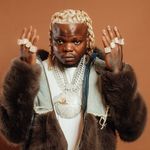
Dar es Salaam. Tanzanian music star Harmonize has taken to his official Instagram page to address rising tensions within the local music scene, where fans have been fiercely debating artistes’ roles and responsibilities.
His remarks follow a wave of online criticism and fan-driven disengagement that industry insiders warn is placing significant strain on the creative sector.
In the video, the Furaha hitmaker called for unity and restraint, saying: “This is not the time to look for someone to blame.”
He noted that the nation has been navigating an unprecedented situation since October 29, describing recent events as unexpected and unlike anything previously experienced.
“I feel we have reached a point as a nation that we have never seen before. As artistes, apologising is fine, but sometimes it is better simply to stay quiet,” he said.
The Konde Gang CEO added that fans’ expectations for milestones such as major industry investment or Grammy-level recognition require collective effort and significant financial backing.
He stressed that, at present, the government remains the sector’s largest supporter.
“I’ve been paid… It doesn’t matter how I supported the government. Fans, you want shows, you want Grammys… Cool investments, international collaborations — all that needs money, and there are no shows from promoters. The number one promoter is the government,” he said.
Addressing the ongoing backlash, Harmonize said he does not blame fans and is ready to rebuild if necessary, just as he did at the start of his career.
“If someone says they won’t come to a show or listen to your music, I take it easy because the situation was confusing — even for me. I let them talk, give it time, and things will cool down. What happened has happened, and everyone has learnt something,” said the Single Again hitmaker.
He also shared personal reflections, revealing that he once aspired to become a footballer and grew up in a deeply religious family.
His bond with fans, he said, remains central to his career.
“If you decide not to attend my events, it’s okay… I could be with my family now, but because of you, I am here. I try to look different for you… I even tattooed my face for you. I will start over — it’s okay.”
Harmonize’s comments come amid a growing standoff between artistes and audiences after the October 29 “curfew” incident, which sparked protests and nationwide debate on political and social issues.
Since then, fan boycotts targeting artistes who remained silent during key events have gained momentum.
Some musicians have fuelled tensions further by telling fans “to stop complaining and start work”.
Meanwhile, Majizzo (Francis Ciza), CEO of EFM and TVE, has warned that prolonged fan disengagement threatens the entire creative ecosystem, affecting videographers, dancers, sound engineers and other industry workers.
Concerts, releases and major events have already been scaled back or postponed due to what insiders describe as unpredictable fan behaviour.
Fans insist artistes must be accountable and use their platforms responsibly, especially during times of national hardship.
Some have questioned why prominent musicians have not taken clearer public positions on issues affecting ordinary citizens.
As debate intensifies, the music industry stands at a crossroads.
While artistes like Harmonize call for reflection and solidarity, and industry stakeholders caution against deeper division, many fans continue to demand greater accountability from the very figures they helped elevate.
Whether the current tension can transition into constructive dialogue remains a pressing question for Tanzania’s creative community.