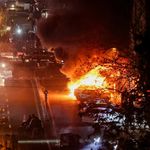
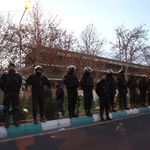
Dubai. Iran may lift its nationwide internet blackout in the coming days, a senior parliament member said on Monday, following the violent crackdown on anti-government protests—the worst the country has seen since the 1979 Islamic Revolution.
The announcement comes after Iran’s state television was briefly hacked on Sunday, showing speeches by U.S.
President Donald Trump and Reza Pahlavi, the exiled son of Iran’s last shah, urging citizens to rise against the ruling clerics.
The segment, which ran for several minutes, appeared under the headline, “The Real News of the Iranian National Revolution.”
The streets of Iran have been largely quiet since late December, when mass protests erupted and were violently suppressed over three days.
An Iranian official, speaking anonymously to Reuters, said the confirmed death toll now exceeds 5,000, including 500 security personnel, with the worst unrest reported in the northwest, predominantly Kurdish regions. Rights groups based outside Iran say thousands more were killed.
Opposition voices accuse authorities of using excessive force against peaceful demonstrators, while the clerical rulers say armed groups, allegedly encouraged by foreign enemies, attacked hospitals and mosques. The recent unrest dwarfs earlier anti-government protests in 2022 and 2009.
Internet set to return ‘when conditions are appropriate’
Ebrahim Azizi, head of parliament’s National Security and Foreign Policy Committee, said internet services would be restored “as soon as security conditions are appropriate,” with top security agencies set to decide on timing.
Hardliner MP Hamid Rasaei added that authorities should have heeded earlier warnings by Supreme Leader Ali Khamenei about “lax cyberspace.”
Iranian internet and international phone lines were largely cut off during the unrest, though partial service has since returned, allowing reports of widespread attacks on protesters to emerge.
Reza Pahlavi has emerged as a prominent opposition figure and has said he plans to return to Iran, though it remains unclear how much support he commands inside the country.
The TV hack highlights vulnerabilities in state control and demonstrates the reach of dissenting voices, even amid a violent government crackdown.