Stavanger. Disruptions to energy flows through the Strait of Hormuz are making Tanzania’s long-stalled liquefied natural gas (LNG) project more attractive to Equinor, the Norwegian energy company said on Tuesday.
The ongoing US-Israeli conflict with Iran has disrupted energy supplies from the Gulf, raising concerns over the reliability of major LNG producers in the region, including Qatar, and increasing interest in alternative sources of supply.
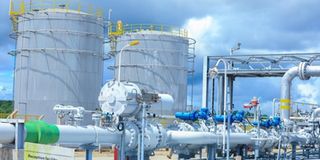
Tanzania’s LNG project, whose development cost has been estimated at about $42 billion, could provide an alternative source of gas for Asian markets. The project is based on natural gas reserves discovered more than a decade ago.
Equinor has been in talks with the Tanzanian government for years over investment terms and conditions, with several anticipated breakthroughs failing to materialise.
“You don’t want to wait too long to put new LNG volumes on the market, so maybe now is a good time to get on with it,” Equinor’s head of international operations, Philippe Mathieu, told reporters at an energy conference in Norway on Tuesday.
Asked whether disruptions to LNG supplies from the Middle East had made the Tanzania project more attractive, Mr Mathieu said: “Exactly.”
He said Tanzania offered an LNG production location that was not exposed to the same geopolitical challenges affecting the Middle East.
Equinor and Shell are joint operators of the project, which would unlock 47.13 trillion cubic feet of natural gas reserves. ExxonMobil, Pavilion Energy, Medco Energi and Tanzania’s national oil company, the Tanzania Petroleum Development Corporation (TPDC), are also partners.
Namibia oil exploration
Mr Mathieu also said Equinor was hoping to make a “pretty big” oil discovery in Namibia’s PEL 90 exploration licence, potentially matching major discoveries made by TotalEnergies and Galp in nearby areas.
Equinor said last week that it had acquired a 17.4 per cent stake in the Chevron-operated prospect, with exploration drilling expected to take place later this year.