Israel and Iran have carried out fresh strikes against each other for the first time since a ceasefire came into force on April 8, sharply escalating tensions across the Middle East and raising fears of a wider regional war.
Israel said it struck Iran’s Mahshahr petrochemical complex in the southwest, alongside other military installations, marking its first confirmed hit on an Iranian energy facility since the truce began.
Iranian state-linked media acknowledged damage to parts of the industrial site, which is central to Iran’s petrochemical production network.
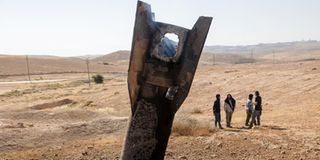
Tehran, meanwhile, said it had responded with missile strikes targeting Israeli territory, including what it described as industrial facilities in southern and central Israel.
Iranian sources claimed the attacks hit energy and chemical infrastructure linked to Israel’s industrial base, causing fires and disruptions in several locations, including areas near Beersheba and the Negev industrial zone.
The exchange followed Iranian missile launches on Sunday, which Israel said were in retaliation for earlier Israeli strikes in Lebanon.
Despite reported US pressure on Israel to avoid further escalation, including appeals attributed to President Donald Trump, both sides proceeded with renewed attacks over the weekend.
The latest Israeli strikes were part of a broader campaign that also hit military targets inside Iran, while Iran’s Revolutionary Guard said it had targeted Israeli airbases in response.
Yemen’s Iran-aligned Houthi movement also joined the escalation, announcing it would target Israeli maritime traffic in the Red Sea and firing missiles toward Israel, prompting Israel to activate its air defence systems.
Speaking amid the renewed violence, President Trump said the latest exchanges would not derail ongoing diplomatic efforts with Tehran, insisting a broader peace deal remained achievable despite the escalation. “It’s not going to have any impact on the deal,” he told the Financial Times.
The confrontation marks one of the most serious breakdowns in the fragile ceasefire regime, with both Israel and Iran now openly targeting strategic infrastructure, including energy and industrial sites, in a pattern that analysts warn could further destabilise the region and disrupt global energy markets.