Budget preparations begin as MPs scrutinise proposed Sh61.9 trillion plan

What you need to know:

  • Tanzania is heading towards a key moment in its fiscal calendar as the government prepares to table the proposed budget ceiling for the 2026/27 financial year during parliamentary committee meetings scheduled to begin next week in Dodoma.
By Katare Mbashiru

Dodoma. Tanzania is heading towards a key moment in its fiscal calendar as the government prepares to table the proposed budget ceiling for the 2026/27 financial year during parliamentary committee meetings scheduled to begin next week in Dodoma.
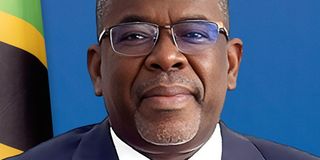
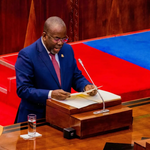
Finance Minister Khamis Mussa Omar is expected to present the government’s proposed expenditure framework, while the Minister for Planning and Investment, Prof Kitila Mkumbo, will table proposals for the national development plan for the same period.

The presentations will take place during meetings of Parliamentary Standing Committees scheduled from March 9 to 27, 2026, ahead of the Third Meeting of the 13th Parliament, according to a statement issued on Thursday, March 5, 2026, by Parliament’s Communications and Public Education Unit.

The committee sittings are part of preparations for the national budget session, which is expected to begin formally on Tuesday, March 31, 2026.

One of the key highlights of the preparatory meetings will be March 11, 2026, when the finance minister tables before Members of Parliament the government’s proposed budget ceiling and the overall expenditure framework for the 2026/2027 financial year.

On the same day, Prof Mkumbo will present the government’s development plan proposals for the coming fiscal year during a plenary session bringing together all Members of Parliament.

The tabling of the budget ceiling comes amid growing public interest following the government’s recent disclosure of its medium-term fiscal framework, which indicates plans to collect and spend about Sh61.9 trillion in the 2026/2027 financial year.

The proposed budget represents an increase of about Sh5.4 trillion compared with the Sh56.49 trillion approved for the 2025/2026 financial year.

Government officials say the expansion reflects the country’s growing development ambitions, particularly in infrastructure investment, human capital development and improved social service delivery.

When presenting the medium-term budget guidelines in February, Mr Omar told Parliament that the government expects the economy to grow by 6.3 percent in 2026, supported by policies aimed at strengthening macroeconomic stability and enhancing productivity.

According to the finance minister, the fiscal strategy focuses on building a stable, inclusive and competitive economy capable of sustaining long-term growth.

He said the government intends to prioritise investments that strengthen human resource capacity, expand access to social services and enhance environmental protection and climate resilience.

The upcoming committee sittings will therefore play a crucial role in scrutinising these priorities and assessing whether the proposed allocations match national development objectives.

According to Parliament’s statement, eleven sectoral committees will conduct field visits to inspect development projects funded in the current 2025/2026 financial year.

The visits are intended to help lawmakers assess the implementation status of ongoing projects and determine whether public resources are being utilised efficiently before deliberations begin on the next budget cycle.

The committees will also review reports on budget implementation for the current financial year across ministries, departments and government agencies.

In addition, they will analyse proposed revenue and expenditure estimates for the 2026/2027 financial year for every government vote.

The Budget Committee will play a central role in this process by reviewing the government’s overall development plan proposals and evaluating the proposed budget ceiling for the coming fiscal year.

The committee’s findings are expected to inform parliamentary debate during the budget session later this month.

Oversight committees are also preparing for intensive engagements during the same period.

The Public Accounts Committee (PAC) and the Local Authorities Accounts Committee (LAAC) will undergo specialised training on analysing audit reports produced by the Controller and Auditor General (CAG).

The training is expected to strengthen lawmakers’ capacity to scrutinise audit findings before undertaking follow-up visits to projects that have been audited.

During these visits, committee members will assess how public funds have been utilised and whether recommendations made in audit reports have been implemented.

Meanwhile, the Public Investment Committee (PIC) will review reports on public investments and inspect major capital investment projects across the country.

These inspections are aimed at evaluating the performance of state-funded investments and determining whether they are delivering expected economic and social benefits.

The Subordinate Legislations Committee will also convene to review subsidiary legislation that was tabled during the Second Meeting of the 13th Parliament.

The committee’s work focuses on ensuring that regulations and other subsidiary laws issued by government institutions comply with the country’s legal framework and do not exceed the powers granted by Parliament.

The extensive committee activities underline Parliament’s oversight role in ensuring transparency, accountability and value for money in the management of public finances.

Analysts say the preparatory meetings provide lawmakers with an opportunity to thoroughly examine the government’s spending priorities before the national budget is formally tabled.

This process is considered a crucial step in Tanzania’s budget cycle because it allows parliamentary committees to engage with government ministries and agencies to seek clarifications and propose adjustments where necessary.

The Third Meeting of Parliament was scheduled following a motion moved by Prime Minister Mwigulu Nchemba to adjourn the previous parliamentary session until March 31, 2026.

The adjournment paved the way for what is widely known as the Budget Parliament, during which the government presents its annual revenue and expenditure plans for debate and approval.

During the budget session, ministers are expected to present detailed spending plans for their respective ministries, departments and agencies.

Members of Parliament will then debate the proposals and may recommend changes before approving final allocations for the coming financial year.

The budget process is regarded as one of Parliament’s most important constitutional responsibilities because it determines how public resources will be raised and spent.

As a result, the coming weeks are expected to attract significant attention from policymakers, economists, civil society organisations and the public.

With the proposed budget projected to exceed Sh60 trillion for the first time in the country’s history, expectations are high that the government will outline bold strategies to accelerate economic growth while addressing social development priorities.

Observers say the debate is likely to focus on how the government plans to balance increased spending ambitions with the need to maintain fiscal discipline and sustainable debt levels.

For now, attention is firmly fixed on Dodoma, where lawmakers will begin the crucial work of examining the government’s fiscal blueprint before the national budget is formally presented later this month.