Dar es Salaam. Stakeholders have called for wider public participation in planned reforms of the Police Force, saying inclusive consultations will be critical to restoring trust and ensuring lasting change.
The calls come after the Minister for Home Affairs, Mr George Simbachawene, announced that the government intends to introduce reforms in the Police Force after the New Year, drawing on recommendations made by the Criminal Justice Commission.
In separate interviews with Mwananchi newspaper, stakeholders said the reform process should actively involve a broad range of actors and revisit earlier findings and recommendations to address long-standing concerns.
Speaking on December 26, 2025, in Mpwapwa District, Dodoma Region, Mr Simbachawene said the government would review proposals made by the commission, which was appointed by President Samia Suluhu Hassan.
“Our colleagues in the Criminal Justice Commission came up with good ideas, and the President directed that they be implemented. As we enter the New Year, we want to sit down and review those ideas and see what we can work on,” he said.
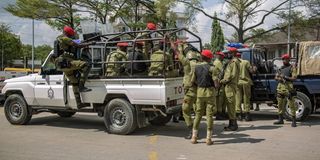
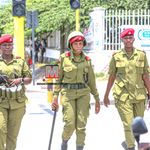
He said one of the key recommendations was to transform the Police Force into a community-oriented service that protects citizens and their property, using force only when necessary.
“The law is clear on how arrests should be conducted. There are minor and serious cases, and while force may be used, the destiny of this country lies in the hands of Tanzanians,” he said.
Mr Simbachawene added that the reforms aim to rebuild relations between the police and the public, so that officers are viewed as part of the community rather than as adversaries.
“We must make major changes, starting with systems and mindset. Police training must be reviewed so that we are not preparing officers to confront citizens, but to protect them,” he said.
Lawyer Dominic Ndunguru said the proposed reforms are timely, noting that various studies point to a deteriorating relationship between the police and the public.
“There are reports highlighting weaknesses within the Police Force, including people being charged before investigations are completed, suspects being detained for years before cases begin, and cases being mentioned repeatedly without progress. These issues generate public outcry,” he said.
Mr Ndunguru said rebuilding trust requires reviewing previously documented complaints and engaging external actors such as religious leaders and civil society organisations.
“This will help gather views from all sides and enable the development of a comprehensive and sustainable strategy,” he said, adding that short-term measures alone would not resolve deep-rooted challenges.
He also called for the revival of community policing, saying it previously strengthened cooperation and information-sharing between citizens and the police.
Another lawyer, John Seka, said allegations of police brutality and poor service delivery at police stations underline the need for reforms guided by stakeholder input.
He said such changes would help reposition the police as a public service institution.
“There should be an independent body to assess police performance and build public trust. Currently, someone abused by police is required to report the police to the police, which encourages a culture of mutual protection due to lack of independent oversight,” he said.
Former Tanganyika Law Society (TLS) president Dr Rugemeleza Nshala said meaningful reforms must involve all citizens and political parties and address constitutional issues.
“The changes required are far-reaching and must begin with the Constitution. You cannot start with the branches while leaving the trunk untouched,” he said.
Acting executive director of the Legal and Human Rights Centre (LHRC), Mr Fulgence Massawe, said public trust has been eroded by unprofessional conduct, including unlawful arrests and torture.
“The key is to reconnect the Police Force with the community and transform it into a service-oriented institution. This requires reviewing training curricula and ensuring that human rights education is properly understood,” he said.
Mr Massawe also supported calls for an independent body to investigate police misconduct.
“Even during the Judge Chande Commission, we submitted these recommendations so that citizens would have somewhere to lodge complaints. An independent body would command respect and promote professionalism,” he said.
President Samia appointed the Criminal Justice Commission on January 31, 2023, to review and improve the country’s criminal justice institutions. The commission was chaired by retired Chief Justice Mohamed Chande Othman, with former Chief Secretary Ambassador Ombeni Sefue as vice-chairperson.
In its summary report released in July 2023, the commission cited persistent public complaints against the Police Force, including failure to prevent crime, excessive use of force, corruption, framing of suspects, loss of property at police stations and delayed response to incidents.
It said the challenges had undermined public trust and cooperation, recommending comprehensive reforms, including changes to police training, strengthened complaint-handling mechanisms, enhanced community policing and the establishment of stronger accountability and oversight systems.
Register to begin your journey to our premium contentSubscribe for full access to premium content