Dar es Salaam. As parts of Tanzania experience some of the lowest temperatures in recent years, doctors have issued a warning to parents, advising them on measures to protect pupils returning to school in areas affected by severe cold.
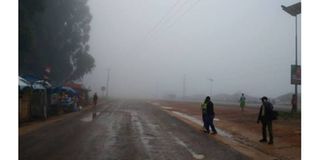
According to the Tanzania Meteorological Authority (TMA), July is expected to record colder-than-usual conditions compared with other months of the cold season.
The situation is particularly relevant for parents with children in regions such as Njombe, Iringa, Mbeya, Songwe, Rukwa, Katavi, and parts of Kilimanjaro and Arusha.
Medical experts say boarding school students may find the changing weather conditions especially challenging if proper preparations are not made in advance, particularly those coming from warmer regions who suddenly find themselves in cold environments.
Under the academic calendar, schools began reopening from July 29, while most resumed on Monday, July 6, with boarding schools already receiving students.
Water, body oils
During cold weather, people often feel less thirsty, but experts caution that the body still requires adequate water intake.
Dehydration can still occur in cold conditions, affecting concentration and learning ability.
A respiratory specialist at Aga Khan Hospital, Dr Alex Masao, says water remains essential even in cold climates.
“It is important for parents to encourage children to drink enough water while at school. They may not feel thirsty, but their bodies still need sufficient hydration to cope with the cold,” he says.
He adds that petroleum jelly is important as it forms a protective barrier on the skin, preventing moisture loss and reducing dryness, cracking, and irritation caused by cold air.
However, he notes that petroleum jelly does not add moisture to the skin but instead seals in existing moisture.
“There are claims that petroleum jelly prevents the skin from breathing properly and blocks pores,” he says.
“If the skin is very dry, petroleum jelly alone may not be very effective. It is often advisable to first apply a moisturising lotion or cream, then use petroleum jelly on top to lock in the moisture,” he explains.
He adds that for boarding school students in cold regions such as Njombe, Iringa, and Mbeya, petroleum jelly can help protect against excessive skin dryness.
However, it should be used in moderation, as excessive application may make the skin feel heavy, clog pores, or cause discomfort for those prone to acne.
Overall, he says it is a useful aid against dryness when used alongside moisturisers, according to individual skin needs.
Health concerns
The TMA has also warned that the cold season could lead to increased cases of respiratory illnesses, flu, pneumonia, and eye infections associated with dust carried by strong winds.
It has urged the public to take personal precautions and follow professional health advice during this period.
A respiratory specialist, Dr Elisha Osati, says extreme cold can increase susceptibility to infections as bacteria and germs may more easily affect the respiratory tract.
“If a child has a history of asthma, allergies, sinusitis or other recurrent respiratory conditions, parents should consult school management and health workers before the term begins,” he says.
He adds that prescribed medication should be available in sufficient quantities, with clear instructions for use.
He also recommends hot meals, physical exercise and maintaining hygiene despite the cold.
“Many children reduce bathing due to cold water, which increases the risk of skin diseases and infections. If hot water is available at school, it should be used; if not, quick bathing followed by proper warming of the body is advisable,” he says.
Beyond physical health, cardiologist, Dr Pedro Pallangyo of the Jakaya Kikwete Cardiac Institute (JKCI) says psychological preparation is also important for students starting boarding school or returning during the cold season.
“Parents should explain in advance the weather conditions so children are not caught unprepared. They should also be taught to always wear warm clothing, avoid wet shoes or clothes, and report early to teachers when they feel unwell,” he says.
He advises parents to provide warm protective clothing, including innerwear to retain body heat, at least two thick sweaters for change, and thick cotton or wool socks, especially for mornings and sleeping.
He further recommends woollen hats and gloves to protect the head, hands, and ears, as well as warm waterproof shoes to guard against cold and damp conditions during evening study sessions.
Day students
A nutrition expert from World Vision, Mr David Gambo, says parents of day scholars should ensure children leave home after eating a warm, nutritious meal such as porridge made from millet or sweet potatoes.
“They should also be taught to carry a thermos or bottle of hot water where permitted at school. Their diet should include energy-boosting and immunity-strengthening foods such as bananas, potatoes, leafy vegetables, milk, and proteins,” he says.
He adds that children who commute face particular challenges, as many leave home very early when temperatures are at their lowest.
Dr Pallangyo also stresses that proper clothing, a warm breakfast where possible, and carrying drinking water for the day are essential.
Overall, experts say a student’s success depends not only on books and teachers, but also on proper preparation for cold conditions that helps them stay healthy, attend classes consistently, and concentrate on their studies.
Register to begin your journey to our premium contentSubscribe for full access to premium content