Dar leads in Tanzania HIV self-test distribution, lags on follow-up


Dar es Salaam. Dar es Salaam led the country in the distribution of HIV self-testing kits in 2025, with more than 330,000 kits reaching residents, although the region was not among those with the highest rates of result reporting.

The figures are contained in the 2025 report by the National Aids, Sexually Transmitted Infections and Hepatitis Control Programme (Nashcop).

The report shows that 2,494,398 HIV self-testing kits were distributed nationwide during the year, with Dar es Salaam accounting for 330,351, or about 13 percent of the total.

Mbeya followed with 221,963 kits, ahead of Tabora with 200,784, Coast with 188,351 and Tanga with 179,533.

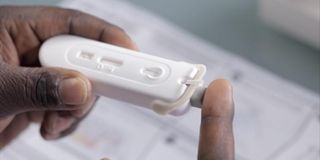
HIV self-testing is intended to expand access to testing by allowing people to determine their HIV status privately and conveniently, particularly men and young people who may face barriers to accessing health facilities.

Nashcop says studies have also shown that self-testing is more widely used in urban than rural areas.

Of the kits distributed nationally, 2,118,462 were returned with test results, representing about 85 percent.

In Dar es Salaam, 269,389 of the 330,351 kits distributed were returned with results, giving the region a return rate of about 82 percent.

The returned kits included 1,292 reactive results, indicating a possible HIV infection.

“However, only 452 people were subsequently confirmed to have HIV by a healthcare provider, equivalent to 35 percent of the reactive results recorded in the region,” according to the report.

A reactive result from an HIV self-test does not by itself confirm HIV infection, rather a person receiving such a result needs to undergo confirmatory testing at a health facility.

Nationally, 10,867 reactive results were recorded from returned self-testing kits, but only 5,130 people were confirmed to have HIV by healthcare providers, equivalent to 47 percent.

There were significant differences between regions.

“Kilimanjaro recorded a 100 percent confirmation rate, followed by Mwanza at 86 percent, Shinyanga at 80 percent and Arusha at 77 percent,” according to report.

At the other end, Mtwara recorded eight percent, Morogoro 16 percent, Mbeya 19 percent and Lindi two percent.

Some regions recorded more confirmed HIV cases than reactive results reported through self-testing.

Iringa, for example, recorded 42 reactive results but 49 people confirmed to have HIV, while Manyara had 63 reactive results against 91 confirmed cases.

The discrepancies may point to weaknesses in data management, differences between the periods when kits were distributed and results reported, and a lack of integration between confirmatory testing conducted at health facilities and the sites that distributed self-testing kits.

Another challenge is the absence of unique identifiers that could enable health authorities to track an individual from self-testing through confirmatory testing and, ultimately, linkage to treatment and other care services.

Researchers have highlighted HIV self-testing as a potentially effective way of addressing barriers that discourage men from testing, including concerns over privacy, stigma and access to health facilities.

However, the 2025 figures suggest that expanding access to self-testing must be accompanied by stronger systems for following up people who receive reactive results.

Such systems would help ensure that those who test reactively complete confirmatory testing and, where HIV is confirmed, are promptly linked to appropriate care and treatment.