Dar es Salaam. When a child takes longer than expected to sit, crawl or walk, many parents assume the child will eventually catch up.
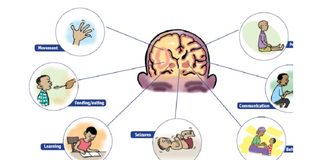
However, medical experts caution that such delays may sometimes indicate a more serious condition: cerebral palsy, a neurological disorder that affects movement and posture and requires early medical attention.
As the world observes Cerebral Palsy Awareness Month this March, health professionals are urging parents and carers to pay close attention to early childhood development and seek medical advice if delays appear.
According to the Cleveland Clinic in the US, cerebral palsy is not a single disorder but a group of conditions that vary in severity and presentation. Some children may experience mild movement difficulties, while others face more significant challenges affecting multiple parts of the body.
The condition also presents in different forms. The most common type causes muscle stiffness and tightness, while others may result in involuntary movements or problems with balance and coordination.
Paediatric specialist at Medinova Specialised Polyclinic, Dr Dea Rimoy, explains that cerebral palsy occurs when the developing brain is damaged either before birth, during delivery, or shortly after birth.
“Complications during childbirth remain among the leading causes. Prolonged labour, breech delivery and delayed crying after birth, often a sign of birth asphyxia, can interfere with oxygen supply to the brain, causing long-term damage,” she said.
Risks also exist during the early days of life. Severe infections during the neonatal period can harm the brain if not treated promptly.
“Sometimes a baby may appear healthy at first but later develops severe jaundice, which can affect the brain and lead to neurological complications, including cerebral palsy,” Dr Rimoy said. Despite these risks, early signs are often missed.
Many parents only realise something is wrong months later, when developmental milestones are not met. Babies are expected to gain neck control within the first two months, and delays beyond this stage may indicate a problem.
Other warning signs include stiff or floppy muscles, difficulty sitting, crawling or standing, and limited movement on one side of the body. “If a child is not progressing step by step, parents should not wait. Early medical evaluation is crucial,” Dr Rimoy said.
Early diagnosis allows timely intervention, which can significantly improve a child’s development. While cerebral palsy has no cure, early physiotherapy and supportive care can enhance mobility, coordination, and independence. Physiotherapist George Charles stressed the importance of early rehabilitation in managing the condition.
“Physiotherapy is not just about helping a child move; it is about training the brain and muscles to work together as early as possible,” he said.
Early therapy can prevent complications such as muscle stiffness, joint deformities and poor posture, which worsen over time without intervention.
“When therapy starts early, we can guide movement, improve muscle control and reduce the severity of disability,” he added. Simple interventions, including guided exercises, proper positioning and carer training, can make a significant difference, he said. Parents play a key role by continuing therapy at home.
However, access to such services remains a major challenge. Although awareness is increasing, specialised rehabilitation centres and trained physiotherapists are still limited.
“We are seeing more children coming for treatment, but the number of centres and professionals is not enough to meet demand,” Dr Rimoy said.
Expanding services closer to communities would reduce the burden on families, particularly those who must travel long distances for care.
While progress has been made in improving services for children with developmental disabilities, many health facilities still lack adequate equipment and trained personnel.