Ebola alert escalates as Tanzania strengthens readiness measures

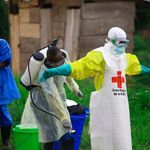
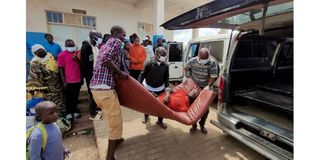
A man is carried from an ambulance as he arrives at Bunia General Referral Hospital following confirmation of an Ebola outbreak involving the Bundibugyo strain in Bunia, Ituri province, Democratic Republic of Congo, May 16, 2026. Picture taken with a mobile phone. PHOTO | REUTERS

Dar/Upcountry. Authorities have announced plans to strengthen health safety measures at border posts in coordination with neighbouring countries and international agencies, following rising concern over the spread of Ebola in the East African region.

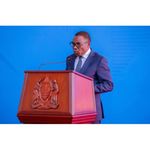
Speaking to The Citizen’s sister newspaper, Mwananchi, on Monday, May 18, 2026, Health Minister, Mr Mohamed Mchengerwa, said regional commissioners in border areas had already been instructed to intensify surveillance of people entering and leaving the country to prevent the disease from spreading into Tanzania.
According to the World Health Organisation (WHO), by Saturday, May 16, 2026, a total of eight laboratory-confirmed Ebola cases and 246 suspected cases had been reported in Ituri Province in eastern Democratic Republic of Congo (DRC), while 80 deaths linked to the disease had also been recorded.

At the same time, Uganda on Sunday, May 17, 2026, confirmed two Ebola cases in Kampala, one of whom subsequently died.

The patients had travelled from DRC, formally confirming the cross-border spread of the disease within the region.

Speaking about the preventive measures being implemented, Mr Mchengerwa said epidemic diseases are not a challenge for a single country but a global concern requiring collective international cooperation.

He said the government is preparing to strengthen border surveillance in collaboration with neighbouring states already battling the outbreak.

“All regional commissioners in border regions have received directives and are monitoring people entering and leaving the country. We are also collaborating with our neighbours because health matters are not for one country alone but a global concern, and whenever outbreaks occur nations must work together,” he said.

He added that Tanzania continues to collaborate with regional health agencies through the United States Centres for Disease Control and Prevention (CDC) and the WHO Africa under the Regional Director Prof Mohamed Janabi, while teams of specialists have already been deployed to DRC and Uganda to assess the outbreak situation.

The comments come after the WHO declared the Ebola outbreak caused by the Bundibugyo virus strain a public health emergency of global concern following its spread from DRC into Uganda.

According to the WHO, more than 246 cases have so far been reported in eastern DRC, with over 80 deaths linked to the disease.

Uganda has also confirmed two Ebola cases in Kampala, one of the patients having died.

The outbreak has raised alert levels across East African states, especially Tanzania, which maintains extensive trade and movement of people with neighbouring countries through land borders, airports, and ports.

In Kagera Region, which borders Uganda, officials have already begun implementing several preventive measures.

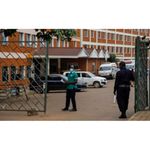
Misenyi District Medical Officer Daniel Chochole said dedicated temperature screening equipment had been installed at the Mutukula border post to screen travellers entering from Uganda.

He said the programme aims to detect people showing Ebola symptoms at an early stage because one of the disease’s first warning signs is sudden high fever.

“We have received government directives and have already assigned Kabyaire Health Centre to manage Ebola patients or suspected cases should they emerge,” he said.

He added that the district has also readied a special vehicle to ferry patients or suspected cases from various areas to treatment facilities.

Village monitoring teams have also been formed alongside public sensitisation groups tasked with informing communities about Ebola symptoms and the importance of reporting suspected cases promptly.

Although Tanzania has not reported any Ebola cases, health experts have warned that the country remains at risk because of heavy cross-border trade and movement of goods within the East African region.

Among locations deemed highly vulnerable is Kariakoo, Tanzania’s main commercial hub, which receives traders and goods from several East and Central African countries daily.

“In that bustling market, hundreds of traders from DRC, Uganda, Rwanda, Burundi, and South Sudan frequently move in and out for commercial activities, raising the need for strict health measures,” said Medical Association of Tanzania (MAT) president, Dr Mugisha Nkoronko.

Public health experts cautioned that congested settings, frequent commercial travel, and close contact within market environments could increase the risk of disease spread if screening systems and public awareness campaigns are not strengthened.

At the same time, freight transport through lorries coming from neighbouring states to the Dar es Salaam port remains crucial to the regional economy but could also speed the spread of infectious diseases if monitoring systems are weakened.

EAC urges warning

The East African Community (EAC) has already urged member nations to strengthen screening at border entry posts while boosting the capacity of health workers and rapid response teams.

EAC Deputy Secretary General in-charge of Infrastructure, Productive, Social and Political Sectors, Mr Andrea Aguer Ariik Malueth, said the outbreak shows the importance of regional cooperation in information sharing and boosting disease monitoring systems.

According to the WHO, Ebola spreads through direct contact with the blood or bodily fluids of an infected person or anyone who has died from the disease.