Dar es Salaam. Farmers, livestock keepers, and policymakers have been urged to prepare for the opportunities and risks associated with a developing El Niño phenomenon, with experts warning that above-normal rainfall expected later this year could boost agricultural production while increasing the risk of floods and disease outbreaks.
The call comes as the Tanzania Meteorological Authority (TMA) monitors the emerging weather pattern, while climate experts caution that increasingly unpredictable conditions linked to climate change are already affecting crop production, livestock health, and rural livelihoods across the country.
Agronomists, veterinarians, and meteorologists say preparedness will be critical if Tanzania is to maximise the benefits of increased rainfall while minimising potential losses.
TMA Forecasting Manager, Dr Mafuru Kantamla, said El Niño has already begun developing, although it remains weak. “At the moment, it is still classified as a weak El Niño, but it is continuing to strengthen, and we are monitoring its development closely,” he said.
According to Dr Kantamla, the phenomenon is associated with rising global temperatures and could influence weather patterns across East Africa, including Tanzania, later this year.
“In East Africa, El Niño events are often associated with increased rainfall. The warmer conditions contribute to the formation of moisture-bearing systems that can enhance rainfall when combined with other weather factors,” he said.
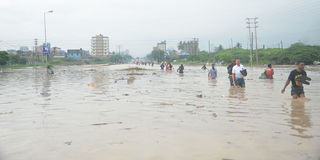
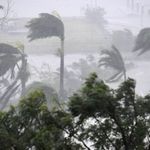
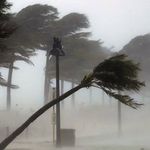
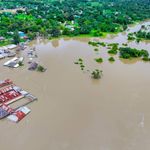
Although the effects are not yet being felt directly in Tanzania, he said the most significant impacts could emerge during the October-to-December short-rains season if the phenomenon continues to strengthen, with some areas likely to experience heavy rainfall and flooding.
The anticipated rainfall has prompted agricultural experts to advise farmers to adjust their production strategies. Itracom Fertilizer Limited Agronomy Research Manager, Dr Tulole Bucheyeki, said farmers should prioritise cultivation in well-drained upland areas rather than flood-prone valleys.
“When rainfall is expected to be above normal, farmers should consider growing crops in areas where adequate soil moisture can be maintained without excessive waterlogging,” he said.
According to him, crops such as maize, groundnuts, and wheat could perform well if farmers adopt appropriate farming practices and closely follow weather forecasts.
Dr Bucheyeki encouraged farmers to plant early to allow crops to establish strong root systems before heavy rains intensify. He also advised growers to select varieties suited to wetter conditions and avoid late-maturing crops in areas expected to receive prolonged rainfall.
He warned that excessive rainfall during harvesting periods could damage crops and increase the risk of aflatoxin contamination, particularly in maize and groundnuts.
However, he noted that water-demanding crops such as rice and sugarcane could benefit significantly from increased rainfall if properly managed.
While agriculture could gain from improved water availability, livestock experts caution that wetter conditions may create new challenges.
The Director of Veterinary Services in the Ministry of Livestock and Fisheries, Dr Hezron Nonga, said abundant rainfall generally improves pasture growth and water availability, reducing pressure on grazing areas and helping minimise conflicts between farmers, pastoralists, and conservation authorities.
Nevertheless, he warned that excessive rainfall could create favourable breeding conditions for disease-carrying insects, particularly mosquitoes linked to Rift Valley Fever. Heavy rainfall can trigger the hatching of dormant Aedes mosquito eggs, increasing the likelihood of disease.
Rift Valley Fever can cause abortions and deaths among cattle, sheep, and goats, while infected people may develop severe illness and, in some cases, die.
Dr Nonga also warned of a possible increase in tsetse fly populations, which thrive in moist environments and dense vegetation.
The insects transmit parasites responsible for sleeping sickness in humans and nagana disease in livestock.
He said climate change is already altering weather patterns across Tanzania, citing unusually persistent rainfall in Morogoro and severe droughts experienced in recent years that caused major livestock losses.
For this reason, he said preparedness must become a national priority through stronger disease surveillance systems, expanded livestock vaccination programmes, improved early-warning mechanisms, and greater collaboration among health, livestock, and environmental authorities.
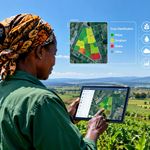
As Tanzania faces increasingly unpredictable weather patterns, experts say investments in climate-smart agriculture, resilient livestock systems, and disaster preparedness will be crucial to protecting lives, livelihoods, and the economy.
“Climate change is here, whether it brings floods or droughts, we must be prepared,” said Dr Nonga.