Fuel debate rages as global supply shocks hit Tanzania

Despite the slight decline in global prices, domestic fuel costs remain high. Petrol now sells at Sh3,820 per litre in Dar es Salaam, up from Sh2,864 in March, while diesel has risen to Sh3,806 from Sh2,858. Kerosene prices have climbed to Sh3,684, compared with Sh2,932 last month. PHOTO | FILE
 

Dar es Salaam. Fuel prices dominated discussions across Tanzania yesterday, even as global oil markets showed early signs of easing following a two-week ceasefire in the US-Israel war on Iran.

Brent crude fell roughly 15 per cent to between $90 and $94 per barrel yesterday, reversing some of the more than 50 percent gains seen since the US-Israel invasion of Iran on 28 February. The temporary truce eased fears of major supply disruptions through the Strait of Hormuz, a critical oil shipping route.
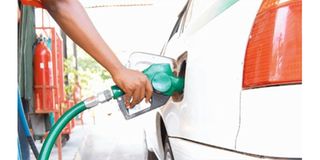
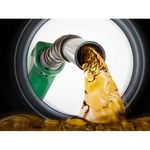
Despite the slight decline in global prices, domestic fuel costs remain high. Petrol now sells at Sh3,820 per litre in Dar es Salaam, up from Sh2,864 in March, while diesel has risen to Sh3,806 from Sh2,858. Kerosene prices have climbed to Sh3,684, compared with Sh2,932 last month.

President directs fuel reduction

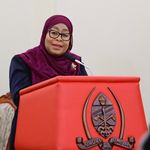
The sharp increase sparked discussions on multiple platforms, prompting President Samia Suluhu Hassan to call for immediate reductions in government fuel use. Speaking during a swearing-in ceremony at State House, she stressed that global supply shocks continue to create volatility and push up costs.

“Countries around the world are adopting strict energy-saving measures, with some allowing remote work to reduce travel and others already facing shortages,” she said. “We woke up to encouraging news that some vessels are beginning to pass through, giving hope that shipments will continue. Fuel prices have slightly declined, but uncertainty remains.”

President Hassan ordered her office to reduce convoy sizes immediately. “My convoy will include only my vehicle, the police escort and a backup vehicle. Other officials will travel together in buses to save fuel,” she explained. She called on all public institutions to implement similar measures.

The President also warned traders against exploiting the situation to raise prices on existing stock. “Some price increases are unavoidable due to imported goods affected by global disruptions, but citizens should remain calm. Tanzania has sufficient fuel reserves to withstand short-term shocks,” she added, noting three months of national stockpiles.

Transport stakeholders meet regulator

Meanwhile, a contentious meeting convened by the Land Transport Regulatory Authority (Latra) yesterday drew operators from both urban and long-distance transport sectors. Discussions focused on fare adjustments in response to soaring fuel costs.

Latra Director General Habibu Suluo said stakeholders would have two weeks, until April 21, to submit their views on proposed fare changes. The consultation will run alongside monitoring global fuel price trends.

“Fuel prices have started to fall, but uncertainty remains due to the ongoing conflict,” he said. “We need input from those on the ground to ensure transport services remain viable.”

Mr Suluo explained that, as of yesterday, no formal fare adjustment requests had been submitted. He added that a high-level government meeting in Dodoma today would determine the best course of action to sustain transport operations.

Under Section 19 of the Land Transport Regulatory Authority Act (Cap 413), Latra must review regulated charges, including public transport fares, balancing the interests of both passengers and service providers.

The 2020 Tariff Regulations outline procedures for operators to propose fare changes or for the regulator to initiate a review.

Operators seek more flexibility

Darcoboa chairman Sabri Mabrouk criticised the current three-year fare review interval. “Student fares of Sh200 have remained unchanged for ten years. Operators who invested in daladala services a decade ago have gone out of business. The government should adopt a flexible approach during emergencies such as fuel price surges,” he said.

Mwanza Transport Association chairman Yusuf Lupilya noted that fares alone do not sustain operations. Dar es Salaam Commuter Bus Owners Association (Darcoboa) representative Kisimati Dhalla warned that buses may be forced off the road if fare reviews are delayed.

“Fuel prices remain high. We cannot operate sustainably without clear guidance on fares,” he said. “It is unrealistic to treat all transport modes the same. We expected a quicker process, not a two-week consultation period.”

Stakeholders emphasised the financial pressures they face. Each Yutong bus costs around Sh510 million and has a lifespan of five years. Operators must cover insurance, two drivers and maintenance, including tyres.

Tanzania Medium and Small Truck Owners Association (Tamstoa) chairman Chuki Shabani urged Latra to communicate stakeholders’ concerns about taxes and levies on fuel to the government. A representative of the Tanzania Truck Owners Association (Taboa) noted that while fuel costs continue rising, transport charges often remain unchanged, reducing operators’ earnings.

Assistant Director of Roads in the Ministry of Transport Andrew Magombana said the government is committed to analysing stakeholders’ views to reach decisions that protect service providers, users and the economy.

Parliament debates urgent measures

In Parliament, lawmakers called for immediate steps to shield the economy from fuel shocks. Singida West MP Elibariki Kingu proposed cutting non-essential allowances for public servants, advocating a four-month austerity plan to redirect funds toward cushioning the impact of rising fuel prices.

“I request the Prime Minister and his government to halt all recurrent expenditures until July, so the funds can address fuel shocks,” he said and highlighted that Tanzania narrowly avoided major supply disruptions when some fuel shipments were almost diverted abroad before government intervention.

He also suggested investing in strategic fuel storage infrastructure to make Tanzania a regional distribution hub. “Why shouldn’t we sell fuel to neighbours like Zambia and Mozambique? Enhanced storage will secure domestic supply and create economic opportunities,” he said.

Hai MP Saashisha Mafuwe recommended tapping into the country’s gold reserves to subsidise fuel prices, easing the burden on citizens.

Analysts caution patience

Experts warn it may take time for the global market to stabilise. Raphael Mgaya, Executive Director of the Tanzania Association of Oil Marketing Companies (TAOMAC), said the rise in domestic prices reflects delayed fuel shipments and disrupted supply chains.

“Some fuel consignments were halted mid-transit or could not depart refineries due to the conflict. Alternative supplies had to be sourced from India,” he said.

Tanzania Petrol Retailers Owners Association (Tapsoa) Secretary General Augustine Mmasi said current supplies cover three months, lasting until July. “We may see prices fall around then, but they could also remain high,” he noted.

A representative of the Tapsoa at a meeting with Latra yesterday, Mr Abel Vegula, said the key issue affecting their business was the cost of transporting fuel across the country, noting that current transport rates no longer reflect actual operating costs.

He explained that diesel accounts for 40 to 50 percent of total tanker operating costs and is the most volatile component. However, while fuel prices have risen by more than 30 percent in recent months, transport rates have remained unchanged. He stressed that, in principle, any increase in fuel prices should be matched by a proportional adjustment in transport charges.

Mr Vegula warned that the lack of adjustment has led to reduced trip frequency, delayed vehicle maintenance, increased financial pressure on operators and in some cases, business closures—developments that threaten the reliability of fuel supply nationwide.

Tapsoa is therefore urging therefore urge latra to approve an interim increase of 30 to 35 per cent in transport rates. It also proposes a long-term solution through an automatic indexation system linked to monthly fuel prices published by the Energy and Water Utilities Regulatory Authority, to ensure timely, transparent and sustainable adjustments.

However, following those deliberations which lasted for more than seven hours Mr Suluo once again urged the stakeholders to remain patient while it reviews their submissions before issuing an official statement.

“As you have endured since the rise in fuel prices, I kindly ask for your continued patience while I process your views in accordance with the law. I cannot set fares without duly considering these submissions and the law does not permit me to do so. Moreover, as you are aware, the meeting itself was convened on an urgent basis,” he said.


Reported by Hellen Nachilongo, Julius Maricha and Rosemary Mirondo in Dar es Salaam and Katare