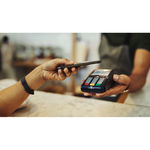
Tanzania makes digital payments mandatory in key sectors

Dar es Salaam. Tanzania will require digital payments in key sectors of the economy from July 2026 as part of a government drive to reduce cash transactions, improve transparency and strengthen financial oversight.

Presenting the 2026/27 budget proposals in Parliament on Thursday, Finance Minister Khamis Mussa Omar said the measures form part of the country's broader digital transformation agenda and efforts to promote a cash-lite economy.

“Improvements made in payment systems will contribute to the Government's efforts to discourage cash transactions in the economy in order to enhance efficiency in transactions and prevent criminal activities and unnecessary costs,” Mr Omar said.

The announcement follows rapid growth in electronic transactions through the Tanzania Instant Payment System (TIPS), which processed 651 million transactions worth Sh54.95 trillion in 2025, up from 453 million transactions valued at Sh29.82 trillion in 2024.

The increase has been driven by upgrades to the platform, including integration of government payments through banks and mobile money operators, merchant payments through QR codes and international money transfer services.

Under the new policy, payments for public transport services, including Bus Rapid Transit (BRT), ferries, railways, air transport, online taxis and parking facilities, will be conducted through digital platforms.

The requirement will also apply to shopping malls, fuel stations, gyms, cinemas, conference venues, sports arenas and major trade exhibitions such as Sabasaba and Nanenane.

Schools, colleges and universities will be required to receive payments electronically, while hotels, restaurants, cafés and tourism businesses will also be expected to adopt digital payment systems.

The government has further extended the directive to real estate transactions and agricultural marketing activities conducted through cooperative unions and agricultural marketing cooperative societies (Amcos) dealing in strategic crops, including coffee, cotton, cashew nuts, tea, tobacco and sisal.

In a related move, proof of digital payment will become mandatory for the transfer of assets such as land, buildings and motor vehicles from July 1, 2026.

Public institutions, including the Ministry of Lands, the Tanzania Revenue Authority (TRA) and the Business Registrations and Licensing Agency (Brela), will be required to verify digital payment records before approving ownership transfers.

According to Mr Omar, the measure is intended to improve transaction traceability, strengthen tax compliance and enhance transparency in asset transfers.

To support wider adoption of digital payments, the government plans to accelerate the issuance of payment tools such as Lipa Namba and QR codes to small traders, including food vendors, motorcycle taxi operators and market traders.

Mr Omar said businesses that adopt digital payment platforms will be prioritised when applying for loans through government programmes and financial institutions.

The government will also begin phasing out mobile phone recharge scratch cards in urban areas through the Tanzania Communications Regulatory Authority (TCRA), replacing them with electronic recharge systems.

The budget speech further revealed that the National Identification Authority (Nida) will begin implementing the Jamii Namba system under the Tanzania Digital Economy Strategic Framework 2024–2034 to strengthen record management, transaction tracking and public service delivery.

In addition, operators in sectors such as mining, livestock, agriculture, forestry and fisheries will be required to maintain bank accounts as a condition for obtaining business licences.