Fuel prices surge further as government subsidises diesel

Dar es Salaam. Fuel prices have risen sharply across Tanzania, with the government introducing a subsidy of Sh259 per litre on diesel in a bid to cushion consumers and protect key sectors of the economy.

Accordingto the Energy and Water Utilities Regulatory Authority (Ewura), prices which became effective today Wednesday, May 6, 2026,  show increases in petrol, diesel and kerosene, driven by global supply disruptions linked to geopolitical tensions in the Middle East.
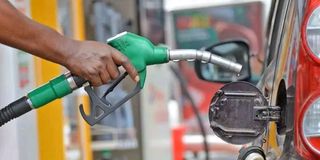
The regulator said diesel had been prioritised for subsidy due to its critical role in economic and social activities, including industrial production, freight transport and public transport services.

Despite the intervention, pump prices have climbed, with petrol in Dar es Salaam rising by Sh295 to Sh4,115 per litre from Sh3,820 recorded in April. Diesel prices increased by Sh442 to Sh4,248 per litre, while kerosene registered the steepest rise, jumping by Sh993 to Sh4,677 per litre.

Similar trends have been recorded in other regions. In Tanga, petrol now retails at Sh4,176 per litre, while diesel and kerosene are priced at Sh4,309 and Sh4,738 respectively. In Mtwara, petrol has reached Sh4,207 per litre, diesel Sh4,341, and kerosene Sh4,770.

Ewura attributed the increases to ongoing conflict in the Middle East involving Iran and the United States, which began in February and has disrupted critical oil infrastructure, including production wells, transportation, storage facilities and refineries.

The situation has been compounded by the closure of the Strait of Hormuz, a key maritime route that handles about 20 percent of global oil shipments. The disruption has reduced tanker traffic, caused cargo delays and pushed up both transport and insurance costs.

“This has led to reduced vessel movement, congestion and further increases in global oil prices,” said Ewura Director General, Mr Gerald Maganga, in a statement.

Tanzania, which imports a significant share of its petroleum products from the Middle East, has felt the direct impact of the global price surge. Ewura noted that domestic price adjustments reflect rising international fuel prices and increased logistics costs.

Data shows that refined fuel prices in the Arab Gulf market rose significantly in April 2026 compared to February, with increases recorded across petrol, diesel and kerosene.

Import costs have also risen, with petroleum products received through the Dar es Salaam, Tanga and Mtwara.

Last month, petrol price increased by 33.4 percent due to the US-Israel war against Iran which started late February.

The government said it is continuing to implement measures to ensure stable fuel supply and maintain price affordability, in order to minimise potential economic and social impacts stemming from the global energy crisis.