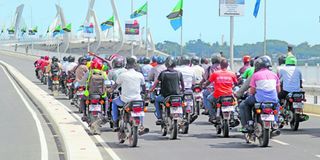
Dar es Salaam. If you are a road user, you may have encountered convoys of cars, motorcycles popularly known as bodabodas, or bajajis travelling together without traffic police supervision.
Often, these processions occur during funerals, weddings, send-offs, sports victory celebrations, or other activities that cause people to travel together while celebrating.
However, the joy and excitement of such events sometimes spill onto the road, turning into a danger for drivers, passengers and other road users.
Some passengers are carried beyond the permitted number, while others sit in unintended areas or stick their heads and bodies out of motor vehicles.
These processions are also accompanied by noise, cheers and honking, with some drivers swerving on the road and causing fear among other users.
A driver can also be provoked by passengers urging them to speed up with statements such as "lay with it", which can lead to sudden acceleration, abrupt braking, or changes in direction.
For instance, a bodaboda meant to carry one passenger may be seen carrying three people plus the driver while travelling at high speed.
A bajaji can also carry people beyond its capacity, with some standing at the back.
This nuisance is more common in cities such as Dar es Salaam, Mwanza, Arusha, Moshi, Mbeya, Morogoro and Dodoma.
How an accident cut short the cheer
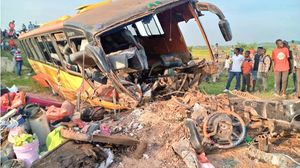
A resident of Makonde, Dar es Salaam, Mr Moses Paul, says he carries the memory of an accident that occurred during a convoy escorting the body of their colleague.
He says after escorting the bereaved, some bodaboda riders began racing as they returned.
"I will never forget it for the rest of my life. We were taking our friend's body for the final farewell. Bodabodas were escorting us to the edge of the town,” he recalls.
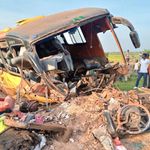
"As we were returning, they started racing. Suddenly, two drivers had an accident by colliding with a cement truck, dying on the spot, and two others were seriously injured," he adds.
He says the incident left a lesson for youths participating in these processions, urging them to be careful and avoid turning the road into a place to compete for speed.
Road safety stakeholder, Mr Florence Alexander, says there is a need for the Police Force to cooperate with stakeholders in providing education to drivers and motor vehicle users.
"Drivers should go to class to learn more about driving. Do not just take a vehicle and start driving without professional training, because skill helps a person make the right decision on the road," he says.
Respecting vehicles
Bajaj and motorcycle owner, Mr Hamad Ngonyani, says some drivers in celebration or funeral convoys forget the value of the vehicles entrusted to them and drive them without regard for safety.
"An owner spends a lot of money to buy that vehicle to earn an income, so reckless driving can cause massive loss to the vehicle and the boss. You must observe road safety rules," he says.
What does the law say?
The Road Traffic Act of 1973, along with its amendments, places a duty on drivers to ensure the use of motor vehicles does not endanger the lives or property of other users.
Section 119 prohibits driving a vehicle carelessly or in a manner and at a speed which, considering road conditions and the presence of other users, can be dangerous to the public.
Based on that, a driver who changes lanes suddenly, speeds excessively, or brakes abruptly while in a convoy can be held accountable if such conduct puts others at risk.
The law also sets conditions on how passengers should be carried, including preventing someone from being carried in an unsafe area.
Thus, a celebratory or funeral convoy is not a permit to break traffic laws.
Joy and cheers cannot remove the duty of drivers and passengers to ensure safety.
Authorities have their say
The Land Transport Regulatory Authority (Latra) and the Road Traffic Force warn drivers and passengers using cars, bajajis and motorcycles to attend celebrations and other activities to follow the law.
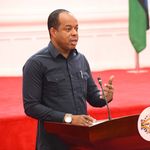
Latra communications manager, Mr Salum Pazzy, says vehicles permitted to carry people for special activities such as celebrations, funerals and group trips are hired vehicles with special services, popularly known as 'special hires'.
"Vehicles given permission to carry passengers who are in celebratory settings are special hired vehicles, which are called 'special hires'. Their license permits doing that," he says.
He says some daladalas, bajajis and bodabodas can be hired for such activities if they obtain a permit, but they are not allowed to violate licence conditions, including carrying passengers beyond the vehicle’s capacity.
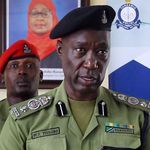
On his part, Road Traffic Force Headquarters Police Inspector Dumu Mwalugenge says every road user is required to follow laws, procedures, road signs and signals regardless of whether they are heading to a celebration or another activity.
"Being used for a celebration or wedding does not mean it will be above the law. Drivers must observe fundamentals in proper and safe road usage, and we are doing patrols at those gatherings," he says.
He says even passengers can be held accountable if found to have persuaded the driver to speed.
"A driver might be driving well, but a passenger might be persuading them to drive fast. If an investigation identifies that, they too can be part of the offense," he says.