How crop revenues are helping to transform education in Mbeya
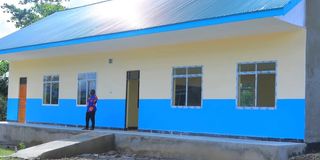
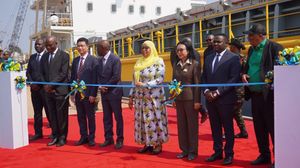
A section of Cocoa Girls Secondary School in Kyela District, Mbeya Region, which was constructed through levies collected from cocoa production. PHOTO | SADAM SADICK
Mbeya. In Mbeya Region, agriculture is doing more than driving the local economy.
Revenue from major crops is being channelled into education, with district councils building schools named after the commodities that finance them.
The initiative has improved access to education in rural areas, reducing the distance pupils travel to school while contributing to better academic performance.
Regional authorities say the strategy demonstrates how agricultural wealth can be reinvested in social services while encouraging communities to appreciate the value of farming.
Mbeya, one of Tanzania’s leading agricultural regions, produces both food and cash crops, including cocoa, pyrethrum, tobacco, avocados, coffee, sesame, potatoes, bananas and beans.
The sector is the backbone of the region’s economy and a major source of local government revenue.
The government has also supported the sector through fertiliser subsidies and investment in irrigation to boost productivity and help farmers adapt to climate change.
In Chunya District, revenue from tobacco has financed the construction of Mayeka Secondary School, formerly known as Tobacco Secondary School. The girls’ school has reached Form Three, while construction of a dormitory is under way.
District authorities are also planning another school that will be funded through revenue generated from gold mining.
In Mbeya District Council, income from pyrethrum has financed Pareto Secondary School, reflecting the crop’s contribution to the council’s finances. Agriculture accounts for about 80 percent of the council’s own-source revenue.
Rungwe District has used levies from avocado production to build Avocado Secondary School, which is expected to begin operations soon.
Meanwhile, Kyela District has established Cocoa Girls Secondary School using revenue generated from cocoa production. The school has enrolled students up to Form Two, with a dormitory, administration block and additional sanitation facilities under construction.
Residents say the schools have reduced transport costs, improved access to education and eased the burden on parents.
“Before Pareto Secondary School was built, our children travelled long distances to attend school. Now they study closer to home, arrive on time and perform better academically,” said Mr Yusuph Mwankenja.
Another resident, Ms Beatrice Aloyce, said expanding schools into rural communities had improved access to education while reducing household costs.
“The government deserves credit for bringing schools closer to the people. Our responsibility is to support these efforts whenever necessary,” she said.
Cocoa farmer Faustine Charles said the initiative shows how agriculture can drive broader social and economic development.
“Agriculture remains the backbone of our economy. Farmers should continue adopting good agricultural practices to improve productivity, while stakeholders should keep supporting government initiatives,” he said.
Agricultural expert Benjamin Alex said other regions could replicate the model by investing agricultural revenue in education and other public services.
“Investors could also contribute by supporting the construction of health centres, roads and other infrastructure, allowing the government to direct resources to other priorities,” he said.
He also urged farmers to follow professional advice to improve productivity and enhance the competitiveness of Tanzanian produce in local and export markets.
Education stakeholder Benjamin Rafael said every region should consider investing revenue from its leading economic activities in projects that directly benefit communities.
Mbarali District Executive Director Raymond Mweli said the district was planning to establish a school financed through revenue from rice production.
“We are incorporating the project into our budget plans and identifying a suitable site. We expect to begin implementation once preparations are complete,” he said.
Kyela District Executive Director Frolah Luhala said the council was also considering building a boys’ school using revenue generated from oil palm production.
Chunya District Executive Director Tamimu Kambona said plans were under way to establish another school, to be named after gold, reflecting the district’s mining industry.
Mbeya District Executive Director Erica Yegela said agriculture contributes about 80 percent of the council’s own-source revenue, enabling continued investment in education and other community development projects.