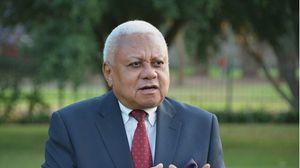
Dodoma. The government has acknowledged a critical shortage of anaesthesia and safe sedation specialists in the country, saying it is taking steps to address the gap.
The government said it is introducing a diploma programme aimed at increasing the number of professionals and strengthening surgical services, particularly for pregnant women.
Deputy Minister for Health, Dr Florence Samizi, said the shortage remains a major challenge to the delivery of safe surgical care, adding that the new training initiative is part of broader reforms to strengthen the health workforce.
Dr Samizi said each health centre and hospital is expected to have at least two anaesthesia specialists, but in reality, the country has only 2,950 specialists serving an estimated 8,000 health facilities nationwide, a gap she described as significant.
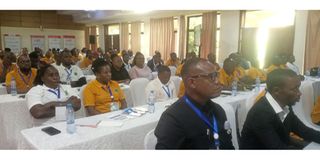
She made the remarks on Wednesday, April 22, 2026, in Dodoma during the fourth general meeting of the Tanzania Association of Anaesthesia and Safe Sedation Specialists (TANPA).
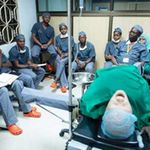
Dr Samizi stressed that anaesthesia specialists play a central role in the health system, warning that no surgical procedure can safely take place without their expertise.
“You are a very important group in our hospitals and in the world at large because without you, the lives of mothers and babies who need surgery to deliver would be at risk, because no surgery is performed without you,” she said.
She added that the government had expanded emergency surgical services to 580 health centres to improve access to life-saving procedures such as caesarean sections, particularly in rural areas.
The expansion, she noted, has further increased demand for anaesthesia specialists.
TANPA president, Ms Julia Mahemba, said the shortage has placed immense pressure on existing specialists, forcing many to work long hours with limited rest.
She said the nature of anaesthesia services requires precision and high-level expertise, as the administration of sedation and anaesthetic drugs directly affects patient survival during surgery.
“These drugs require highly trained experts in this field. Not just anyone can provide this service, so you find these specialists are forced to work overtime, which is often unpaid, unlike other health cadres,” she said.
Ms Mahemba added that the shortage has led to delays in surgical care, with some health facilities unable to conduct operations and instead referring patients to higher-level hospitals with specialists, a situation she said can be dangerous, especially for pregnant women in emergencies.
She also noted that in some cases, anaesthesia specialists are assigned duties outside their professional scope, further reducing efficiency in already overstretched facilities.
Anaesthesia and safe sedation specialist at Benjamin Mkapa Hospital (BMH), Dr Venance Pesa, said even major referral hospitals are not spared from the shortage, noting that his facility has only three specialists in the field.
He said anaesthesia remains a critical pillar of modern healthcare, particularly in surgery and maternal services, warning that without adequate specialists, patient safety cannot be guaranteed.
“Therefore, investment in training and employment of specialists in this cadre is an important step in improving health services in the country and reducing preventable deaths, especially for mothers and newborns,” he said.
Health stakeholders have continued to call for accelerated recruitment, improved training capacity, and better working conditions for anaesthesia specialists to prevent further strain on surgical services across the country.