Dar es Salaam. Tanzania is grappling with a new dimension of the fuel price crisis, following a warning from the Tanzania Transporters Association (TAT) urging the government to take urgent steps to cut taxes and levies, or risk destabilising the national economy.
Road, water, and rail transport operators have warned that government revenues could decline, while the use of the Standard Gauge Railway (SGR) and ports may drop, as neighbouring countries seek alternative corridors to offset rising fuel costs.
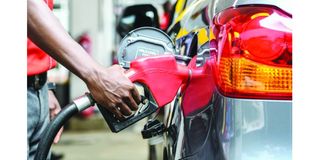
TAT’s alert follows the announcement by the Energy and Water Utilities Regulatory Authority (Ewura) on Wednesday, April 1, 2026, of increased fuel prices, attributed to the escalating international conflict between the United States and Israel on one side and Iran on the other, which began on February 28.
The crisis has disrupted global crude oil production and transport, particularly after the closure of the Strait of Hormuz, which handles about 20 percent of the world’s oil shipments.
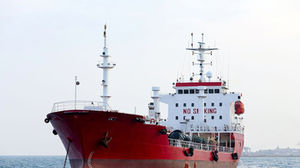
Attacks on oil wells, storage facilities, and refineries have compounded Tanzania’s reliance on imported fuel, raising transport costs amid a shortage of delivery ships.
The surge has triggered historic price levels unseen in more than two decades, prompting the government to tighten measures to mitigate the impact.
Prime Minister, Dr Mwigulu Nchemba, speaking in Parliament in Dodoma while presenting his office’s 2026/27 budget estimates of Sh12.5 trillion, said, “We have seen prices beginning to rise.”
“We will sit within the government to ensure we address this matter so that citizens continue to access fuel at reasonable prices and contain the cost of living,” he added.
Dr Nchemba assured Tanzanians that, despite the Middle East tensions, the government would continue overseeing petrol and diesel supplies to maintain stability.
Nevertheless, concerns persist, with stakeholders calling for tax and levy relief to ease the burden on citizens.
Some services have already been affected by the price increase of over Sh900 per litre, including fares for daladala, bajaji, and bodaboda, while intercity bus operators report rising operating costs.
The Land Transport Regulatory Authority (Latra) Director General, Mr Habibu Suluo, announced a meeting of transport stakeholders on Wednesday, April 8, 2026, in Dar es Salaam to discuss the matter and reach decisions.
What TAT says
TAT has written to Ewura, highlighting the burden faced by transporters and requesting urgent action, citing measures taken in Namibia, Zambia, and South Africa to reduce taxes and levies.
In a three-page letter dated Thursday, April 2, 2026, signed by TAT President Omar Kiponza, the association warned that high fuel prices would dampen demand, reduce vehicle numbers, and lower overall fuel tax revenues.
Fuel costs account for roughly 40–55 percent of operational expenses for road and water operators, making long-term transport contracts potentially unviable.
The sector, Tanzania’s second-largest foreign currency earner after tourism, generated over $2.7 billion (Sh2.75 trillion) in 2025.
“Rising fuel prices, aside from reducing revenues, also threaten port investments, jeopardising the efficiency of Dar es Salaam, Tanga, and Mtwara ports,” said Mr Kiponza.
“High inland transport costs will force neighbouring countries such as Zambia, DRC, Rwanda, and Malawi to seek alternative corridors like Beira in Mozambique or Walvis Bay in Namibia,” he warned.
He added that the SGR, which began container services in February 2026, is at risk because last-mile transport relies on trucks using expensive fuel.
“Without urgent measures, our modern port and rail infrastructure could remain underutilised as the cost of moving cargo from ports to borders becomes too high. We therefore await urgent action to protect everyday Tanzanians’ livelihoods and save the transport sector,” he said.
On Saturday, April 4, 2026, Government Chief Spokesperson Gerson Msigwa told The Citizen’s sister newspaper Mwananchi that, “The government is handling this matter with great importance. Experts are analysing the best way forward, and the government will guide the course. We ask citizens to be patient; a short-term update will be given soon.”
Mr Msigwa, also Permanent Secretary (PS) of the Ministry of Information, Culture, Arts, and Sports, made the statement after President Samia Suluhu Hassan announced on Thursday, April 2, 2026, the removal of Ewura Director General, Dr James Mwainyekule, who will be reassigned, though no successor has been named.
Passengers’ reaction
The Tanzanian Passenger Association (Shakua) Chairperson, Mr Hashim Omar, said fuel price hikes invariably increase the cost of living.
He said Latra has prohibited daladala operators from raising fares, although some local increases have already been reported. Authorities are expected to warn offenders.
Regarding bajaji and bodaboda, Mr Omar declined to comment, noting passengers typically negotiate fares directly with operators.
Passengers say rising fares are already impacting daily travel.
A Dar es Salaam commuter, Ms Husna Bakar, said bajaji and bodaboda have been a lifeline, easing travel and saving time.
A resident of Mbezi, Mr Abdallah Juma, reported bajaji fares from Mbezi to Mwenge rising from Sh2,000 to between Sh2,500 and Sh3,000 per person.
Ms Sakina Hegga said her trips from Kinyerezi to Mbezi rose from Sh1,000 to Sh1,500, while fares from Malamba to Mbezi doubled from Sh500 to Sh1,000, making morning and evening commutes longer.
Vingunguti Meat Traders, Mr Joel Meshack, said the fuel surge has affected livestock and meat transport costs.
“A truck transporting livestock from Dodoma to Dar es Salaam previously demanded Sh1 million. But, the amount has climbed to between Sh1.3–1.5 million,” said Mr Meshack.
“If this continues, meat prices may rise; currently, it sells between Sh11,000 and Sh12,000 per kilo,” he added.
Register to begin your journey to our premium contentSubscribe for full access to premium content