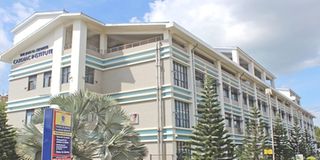
Dar es Salaam. The Jakaya Kikwete Cardiac Institute (JKCI) has been commended for introducing a digital system that enables effective tracking and follow-up of patients receiving treatment during medical camps.
The minister of information, arts, culture, and sports, Paul Makonda, said the system has improved continuity of care by allowing doctors to access patients’ medical histories, including previous diagnoses, tests conducted, and treatments provided.
He made the remarks during a seven-day free medical camp in Arusha, organized by the Arusha Regional Commissioner’s Office in collaboration with his office as Member of Parliament for Arusha Urban, the Ministry of Health, national referral hospitals, specialized health institutions, and private hospitals.
Makonda said the system ensures patients do not lose access to follow-up care after medical camps end.
“JKCI has established an effective system that tracks patients treated at each camp. When a patient returns, doctors can immediately access their records, know when they were treated, the condition diagnosed, and the steps already taken,” he said.
He encouraged other health facilities to adopt similar digital solutions to improve patient management and avoid restarting medical assessments whenever patients attend different camps.
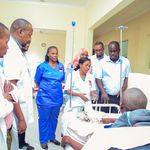
JKCI Executive Director Dr Peter Kisenge said the institute participated in the Arusha camp for the third time, bringing a team of specialists including cardiologists, a pediatric cardiologist, nutrition experts, and modern diagnostic equipment.
“We have brought more than four cardiologists, a pediatric cardiologist, electrocardiogram (ECG) machines, and echocardiography equipment that uses artificial intelligence technology,” he said.
He added that JKCI experts were educating citizens on preventing heart disease and other non-communicable diseases through the “Know Your Numbers” campaign, which encourages people to monitor key health indicators such as blood pressure, blood sugar levels, cholesterol, heart rate, oxygen levels, weight, and height.
Dr Kisenge said early health checks can help detect risks that may lead to stroke, heart failure, and heart attacks, allowing timely intervention.
He also revealed that JKCI introduced "Dozee," a patient monitoring technology placed beneath a mattress that collects and analyzes vital health information without attaching multiple wires to a patient’s body.
The technology monitors indicators such as heart rate, breathing patterns, and blood oxygen levels and can alert healthcare providers when a patient’s condition changes and requires further attention.
Dr Kisenge said JKCI continues to invest in advanced technologies for treating heart and blood vessel diseases including procedures involving the heart’s electrical system and robotic-assisted surgeries.