Dar es Salaam. Journalists have been barred from accessing hearings of the Presidential Commission of Inquiry into events during and after the October 2025 General Election, as the body began receiving testimonies from victims in private sessions.
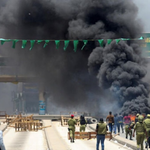
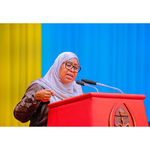
President Samia Suluhu Hassan appointed the commission following violent protests that erupted on polling day, October 29, 2025, with the aim of establishing the causes of the unrest and laying the groundwork for national reconciliation.
Since the hearings commenced, the media have been reporting on the commission’s proceedings and the testimonies presented by witnesses. On January 23, 2026, The Citizen's sister publication, Mwananchi, covered a session held in Magomeni, Dar es Salaam, where several victims recounted their experiences.
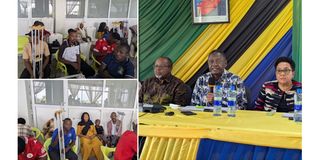
However, during a session held on Saturday, January 24, 2026, in Ubungo District, journalists were informed that they would not be allowed into the hall while witnesses were presenting their testimony.
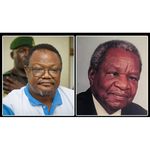
The announcement was made by retired judge Prof Ibrahim Juma, who was chairing the session. He said the decision was intended to protect the privacy of witnesses.
“When we begin receiving testimony, all journalists will be required to step outside to allow speakers privacy and to safeguard their evidence. Once we are done, you will return and be allowed to ask questions,” he said.
Prof Juma explained that some witnesses who testified during earlier sessions had complained that their personal information had been circulated by the media and on social media platforms.
"We have received complaints from some victims who appeared in previous sessions that some of the information they shared was personal and they did not want it made public,” he said.
He said that some witnesses reported being contacted by media houses and major news organisations seeking interviews after their testimonies had been aired.
As a result, he directed that journalists would not be allowed into the hall during sessions when the commission is receiving complaints, in order to safeguard witnesses’ privacy.
The move marks a departure from previous hearings, which were held openly in several regions and parts of Dar es Salaam, including Temeke and Kinondoni, as well as in Mwanza, Mara and Geita, where journalists actively covered proceedings and victims’ accounts.
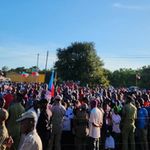
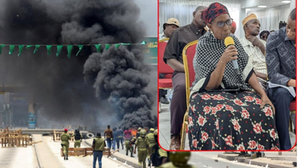
At the Ubungo session, which includes Kimara, an area where early reports of election-related violence emerged, many residents turned up to testify. Some were visibly injured, including individuals with broken limbs and serious wounds.
As journalists exited the venue, the first witness, a woman whose identity was not immediately established, could be heard crying as she narrated her ordeal.
Mixed reactions from journalists
Reacting to the decision, Raia Mwema journalist Selemani Msuya said the move carried both positive and negative implications.
On the positive side, he noted that live broadcasts and detailed coverage of traumatic testimonies had, at times, triggered strong emotional reactions among the public.
"Some media outlets have been broadcasting victims’ stories live, which deeply affects viewers emotionally. In that sense, restricting live coverage is a good thing,” he said.
On the negative side, Mr Msuya, who is also Secretary General of the Journalists Workers’ Union of Tanzania (Jowuta), said barring journalists from the sessions undermines the quality and transparency of reporting.
“Requiring journalists to wait for official statements from the commission denies them independent access to information. It also limits public transparency and could affect public trust in the commission’s final report,” he said.
Register to begin your journey to our premium contentSubscribe for full access to premium content