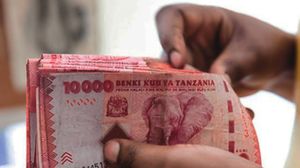
Mobile money surge fuels cashless growth


Dar es Salaam. Tanzania’s mobile money market has continued to expand, with active subscriptions reaching 87.05 million in June 2026, as the country steps up efforts to build a cashless economy.

Data from the Tanzania Communications Regulatory Authority (TCRA) show that active mobile money subscriptions increased by 7.5 percent from 80.98 million in March to 87.05 million in June.

The growth comes as the Government moves into the implementation phase of its cashless economy drive, underscoring the increasing role of digital payments in everyday transactions.

“Mobile money subscriptions refer to the number of SIM cards with mobile money accounts that have recorded activity or been used at least once during the previous three months,” TCRA said in its quarterly report.

The increase was accompanied by growth in transactions, which rose by 5.38 percent during the quarter. Transaction volumes have also increased by an average of 11 percent across the quarters, according to the regulator. The expansion has been particularly significant over the past five years.

Tanzania had just over 32 million active mobile money subscriptions in 2020, rising to about 63 million in 2024 before reaching 87.05 million in June this year.

The growth mirrors wider expansion in digital connectivity. Mobile broadband remains the leading means of accessing the internet, accounting for 59.84 percent of total internet subscriptions.

The FinScope Tanzania 2023 survey also showed that mobile money adoption rose from 60 percent in 2017 to 72 percent in 2023, making it an important channel for financial transactions, particularly in rural areas.

Competitive market

The mobile money market remains highly competitive, with Mixx by Yas, M-Pesa and Airtel Money accounting for about 89 percent of subscriptions, according to TCRA data.

M-Pesa leads the market with a 40.6 percent share.

TCRA director general Peter Mwasalyanda said the communications sector had maintained its growth trajectory during the quarter ended June 2026. “This sustained growth is important as it signals positive progress towards realising Tanzania’s overarching digital economy agenda of building an inclusive, resilient, innovative and competitive digital economy,” he said. The regulator linked the sector’s performance to key policy frameworks, including the Digital Economy Strategic Framework 2024–2034 and Tanzania Development Vision 2050.

TCRA said service prices had remained competitive during the quarter, supported by market competition that has improved affordability and widened access to communication services.

“The performance for the quarter ending June 2026 continues to pave the way towards a more connected, inclusive and digitally empowered Tanzanian community,” Mr Mwasalyanda said.

He said the regulatory framework would continue to support infrastructure investment, innovation and sustainable growth in the communications sector.

 while aligning with national development priorities and the digital economy agenda.