Arusha. The government is in the final stages of introducing a system that will allow citizens to use movable assets as collateral when applying for loans from banks and other financial institutions, in a move aimed at expanding access to credit, particularly for women.
The Bank of Tanzania (BoT), in collaboration with the Ministry of Finance, has already presented the proposal to Parliament and the new framework is expected to become operational later this year.
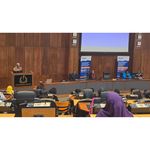
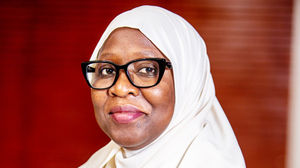
BoT Deputy Governor Sauda Msemo revealed the development yesterday during the 3rd Tanzania Women in Finance Conference, where she delivered a keynote address titled Women’s Leadership as a Catalyst for Inclusive and Sustainable Financial Systems: Advancing NFIF III and FSDMP 2030.
She said the initiative is intended to improve access to credit by reducing barriers that prevent many citizens, especially women, from obtaining loans due to lack of immovable assets such as land or buildings required by banks as collateral.
“We are at an advanced stage of enabling people with movable assets to use them as collateral in financial institutions so that they can access loans and reduce credit access gaps, particularly for women who face challenges due to lack of collateral,” she said.
Ms Msemo said that despite progress in loan uptake, women still face social and structural barriers that limit their ability to qualify for credit.
“Some women do not own property, which makes it difficult to provide collateral. The use of movable assets will help address this challenge, while financial literacy campaigns are continuing,” she said.
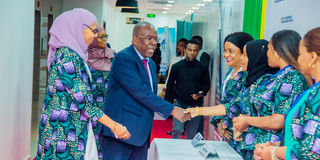
Speaking during the opening of the conference organised by the Tanzania Women in Finance Association (Tawifa), Finance Minister Khamis Mussa Omar said women play an important role in the economy and should be supported through better access to financial services.
He said the financial sector has a responsibility to ensure women can access capital to grow businesses and protect their assets.
According to the minister, Tanzania has made progress in financial inclusion, with 76 percent of adults now holding financial accounts, including more than 60 million accounts opened through digital platforms. Women account for about 60 percent of digital financial service users.
Mr Omar said government empowerment programmes have also helped increase women’s participation in the economy, noting that between 2022 and 2025 more than 1.3 million women received loans worth Sh748 billion.
He said that the government is encouraging greater representation of women in leadership, including in financial institutions.
“The government recognises the need for women to participate in decision-making positions and efforts are being made to increase their representation,” he said.
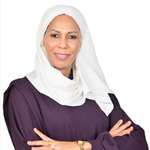
The Minister of State in the Zanzibar President’s Office (Finance and Planning), Dr Saada Mkuya Salum, said women still face difficulties in accessing financial services and need targeted support.
She noted that during the launch of Sukuk bonds last year, only about 15 percent of participants were women, although many later showed interest in joining.
“There is a need to design policies and programmes that intentionally include women. Stakeholders must continue working together to create an enabling environment,” she said.
Data presented at the conference by the Financial Sector Deepening Trust (FSDT) showed that although the gender gap in financial inclusion has narrowed due to the growth of mobile money, disparities remain in banking, insurance and capital markets.
FSDT inclusive finance manager Safarani Seushi said more women are opening accounts, but access to credit remains lower than for men.
“In banking, the gender gap remains significant, especially in access to loans, which affects long-term economic empowerment,” she said.
She added that participation in insurance and capital markets is also low, partly because women often own fewer assets and many products are not designed for individual users.
Tawifa president Ms Fikira Ntomola said empowering women financially benefits the whole society.
“When women gain financial power, the nation also develops. Investing in women expands opportunities for everyone,” she said.