Dar es Salaam. Lawmakers have been urged to prioritise investment in water, sanitation and hygiene (WASH) in health facilities following concerns over unsafe delivery conditions affecting maternal and newborn health.
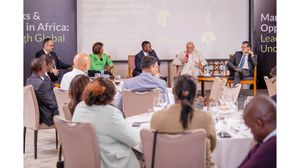
The call was made during a meeting in Dodoma involving members of the Parliamentary Committee on Health and HIV/AIDS and organisations including WaterAid Tanzania, TAWASANET, Water For People and the Tanzania Midwives Association (TAMA).
The session brought together 12 MPs and focused on the role of WASH in improving reproductive, maternal, newborn, child and adolescent health, particularly in maternity services.
Data presented during the meeting showed that maternal sepsis remains a major concern in sub-Saharan Africa, where about 36 women die daily from infections linked to poor hygiene during childbirth.
In Tanzania, findings from the Born Without Water report indicate that 94.4 per cent of maternity wards lack basic sanitation services. Other gaps include waste management (68 per cent), handwashing facilities (58 per cent), environmental cleaning (55 per cent) and access to water (45 per cent).
Stakeholders said the lack of WASH services affects the ability of health workers to provide safe care and increases risks for mothers and newborns.
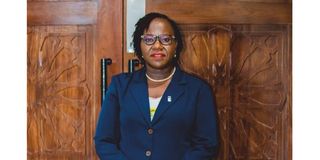
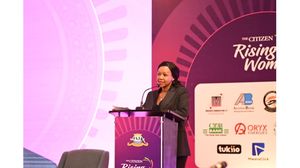
WaterAid Tanzania Country Director, Ms Anna Mzinga, said access to clean water and sanitation is essential for effective healthcare delivery.
She said the absence of such services undermines safety and quality of care, even where staff and medical supplies are available.
Chairperson of the Parliamentary Committee on Health and HIV/AIDS, Dr Johannes Lembulung Lukumay, said limited access to water continues to affect communities, particularly women and girls.
He noted that Tanzania aims to achieve 85 per cent access to clean water by 2030, but gaps remain.
Dr Lukumay cited examples from health facilities where lack of water has affected service delivery, adding that improvements in WASH infrastructure have led to better conditions in some areas.
Water for People National Impact and Influence Manager, Ms Rose Riwa, said access to WASH services is linked to long-term development outcomes.
She said improving water and sanitation services is necessary to support health and development goals.
Stakeholders called for increased investment and integration of WASH services into maternal and child health programmes to improve outcomes and reduce preventable deaths.