Dar es Salaam. With the threat of El Niño raising concerns over possible disruptions to food production and supplies, the National Food Reserve Agency (NFRA) is stepping up measures to strengthen the country’s food reserves and ensure it is better prepared for any shocks.
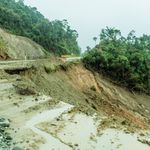
The initiative comes after the Tanzania Meteorological Authority (TMA) said in its climate outlook for October and December 2026, the presence of Very Strong El-Nino that would affect Agriculture and Food Security Periods of excessive soil moisture and flooding may occur and affect crop growth and agricultural infrastructure
TMA’s director general Ladislous Chang’a said August 18 crop diseases caused by fungi, bacteria and viruses are expected to increase.
“These diseases can affect growth, quality and yields of various crops, especially potatoes, sunflowers, beans, sesame, fruits and vegetables. Prolonged rainfall can disrupt harvesting activities and lead to post-harvest crop losses,” he said.
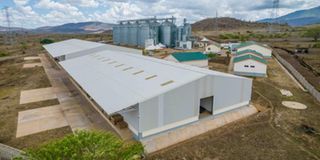
NFRA’S Angela Shangali Head of Public Relations and Communication Unit said they have already started improving storage facilities and ensuring food purchased by the agency is kept in safe conditions to protect it from moisture, pests and other factors that could cause losses.
According to her, NFRA key measures is Having large stocks of food would mean little if the agency could not store them properly, making it necessary to ensure its storage facilities are suitable for keeping crops safely for extended periods.
“Our focus is to ensure our storage facilities are maintained in conditions that protect food from various risks that could cause it to spoil,” she said.
Alongside improving its warehouses, NFRA has also expanded its crop purchasing system, buying directly from farmers while working through agents in different production areas.
The move is intended to make it easier for farmers to access the formal market and increase the opportunities available to them to sell their produce through the national food reserve system.
Farmers and other sellers interested in supplying NFRA can obtain the relevant forms and information on the agency’s website before following the required procedures for delivering their produce. But as the agency strengthens the national food reserve, it is also calling on households to keep food stocks of their own, saying preparations for possible weather-related disruptions cannot stop at government warehouses.
Mr Shangali further urged farmers and households to set aside part of their harvest for future consumption so that families are not left without food when production falls or an emergency occurs.
“People should start keeping their own food reserves at household level. If anything happens, people should not be left stranded,” she said.
According to her, NFRA has begun implementing a strategy to boost the national food reserve by purchasing 1.2 million tonnes of food crops and storing them in its warehouses.
Deputy Minister for Agriculture David Silinde, urged the public to take precautions and preserve the food they harvested this year following a forecast by TMA warning of possible El Niño rains.
“Let me urge the public that we have heard the information issued by TMA regarding the forecast of El Niño rains,” he said in parliament
He said, “If El Niño occurs, there will be challenges in agricultural production, creating a significant risk of food shortages and hunger in the following year. Therefore, let us preserve the food we have.”