Dar es Salaam. Tanzania’s efforts to build a digital-driven economy are gaining fresh momentum as the country moves to deepen technology cooperation with Russia, with new partnerships expected to unlock opportunities for young innovators, startups and digital entrepreneurs.
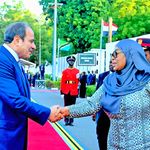
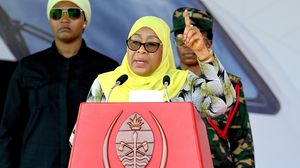
The move comes shortly after President Samia Suluhu Hassan’s recent visit to Russia, which opened new avenues for cooperation in science, technology and innovation.
The visit is now beginning to translate into practical engagements, with discussions between Tanzanian and Russian technology institutions focusing on strengthening digital skills, cybersecurity, innovation ecosystems and youth empowerment.
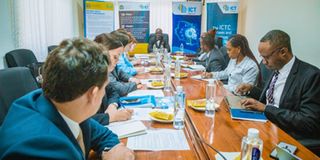
Speaking during a press briefing held in Dar es Salaam at the weekend, Information and Communication Technology Commission (ICTC) Director General, Dr Nkundwe Mwasaga, said the emerging partnership reflects Tanzania’s ambition to position digital technology as a key driver of its development agenda, particularly under Tanzania Development Vision 2050.
“Digital development has been identified as one of the major drivers of economic transformation. We expect young people to play a central role in driving this transformation,” Dr Mwasaga said.
He said discussions with the Russian delegation had focused on developing frameworks that would allow institutions from both countries to work together through agreements, including Memoranda of Understanding (MoUs).
“We have prepared documents that will help us implement these areas of cooperation. We are looking at different agreements that will bring major benefits to our young people, institutions, journalists and the wider society,” he said.
The partnership involves collaboration with Russia’s Federal Agency for Youth Affairs (Rosmolodyozh), which has experience in youth development programmes, innovation promotion and supporting young entrepreneurs.
Deputy Director of Rosmolodyozh, Ms Layla Zotova, said Russia sees opportunities to build stronger relations with Tanzania through youth-focused technology initiatives.
“Through cooperation between Tanzania and Russia, through our institutions and the MoUs we are preparing, we aim to work together to achieve the goals we have agreed upon,” she said.
“We believe young people in Tanzania will benefit greatly from these relations and the opportunities that will come from this cooperation.”
For Tanzania, the partnership comes at a time when the country is pushing for a stronger digital economy, with technology startups increasingly seen as engines of job creation and innovation.
Russia has developed a growing technology ecosystem, particularly in areas such as artificial intelligence, cybersecurity, software development and digital entrepreneurship.
Its experience in creating innovation hubs and supporting technology-based businesses provides lessons that Tanzania can adapt to local needs.
Technology analyst Dr Thobias Mboto said cooperation with countries that have advanced digital ecosystems could help Tanzania accelerate its transformation.
“This is a positive step because Tanzania does not need to build everything from scratch. By partnering with countries that have invested heavily in technology and innovation, we can learn, transfer knowledge and create opportunities for our young innovators,” Dr Mboto said.
He added that the success of such partnerships would depend on moving beyond agreements and ensuring that young people and startups directly benefit.
“The focus should be on practical programmes such as incubation centres, mentorship, access to technology, research collaboration and opportunities for startups to scale beyond Tanzania,” he said.
Young technology entrepreneurs are also welcoming the move, saying international partnerships could help address some of the challenges facing startups, including access to skills, markets and investment.
A representative from Paki Urban Limited, a Tanzanian startup, Mr Rodrick Mshanga, said collaborations of this nature could expose local innovators to new ideas and global opportunities.
“Startups need networks, technical expertise and platforms where they can grow. Partnerships with countries that have strong technology ecosystems can help young Tanzanians improve their products and compete internationally,” He said.
The latest engagement also signals Tanzania’s intention to expand cooperation beyond traditional sectors and embrace technology as a strategic area of diplomacy.
During her visit to Russia, President Hassan emphasised the importance of strengthening relations in areas that support Tanzania’s long-term development goals.
The follow-up discussions between technology institutions indicate that the visit is already creating pathways for implementation.
Dr Mwasaga said Tanzania would continue expanding collaboration with Russian institutions, companies and regions to create more opportunities for knowledge exchange.
“We are looking forward to involving different regions and companies from Russia so that we can continue building partnerships that contribute to the development of our country,” he said.
Register to begin your journey to our premium contentSubscribe for full access to premium content