Serengeti wants electric fence to control destructive wildlife
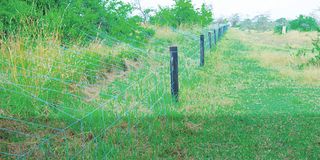
An electric fence installed by the Grumeti Fund Company to prevent dangerous wildlife from entering the homes of residents of Park Nyigoti village, Serengeti District, Mara Region. PHOTO | PETER SEKELA
Serengeti. Residents in Serengeti District, Mara Region, have appealed for the construction of electric fences and prompt compensation payments for wildlife-induced damage.
With conservation areas, including Serengeti National Park, Ikorongo and Grumeti game reserves, and Ikona Community Wildlife Management Area, occupying over 70 percent of the district, proximity has triggered relentless human-wildlife conflict.
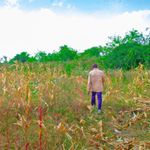
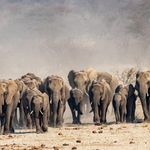
Animals frequently invade farmlands and settlements, destroying crops, killing livestock and threatening human lives.
Nyanungu Village chairman in Kyambahi Ward, Mr Chacha Mwikwabe, said residents submitted proposals requesting a fence after witnessing its success in neighbouring villages.
“Let me take this opportunity to appeal to the government. We, as Nyanungu Village, held a meeting and submitted proposals requesting the construction of a fence to eliminate this nuisance of crop and livestock destruction,” he said.
Mr Mwikwabe said residents had witnessed the tangible benefits of electric fencing in neighbouring villages like Mbilikili, Kwa Mchanga and Chakazi, where installed fences successfully reduced persistent wildlife-related problems.
“This is why we are also requesting that a fence be installed in our village,” he said.
A resident of Bokore Village, Mr Petro Buyunge, said households spend significant amounts of money and time protecting their farms but often end up harvesting little or nothing.
“We request the government to assist us by installing a fence for us as was done for people in Kwa Mchanga and Miseke. We see that they harvest well, but here there is nothing. There was a plan, but I do not understand where it ended,” he said.
Mr Buyunge said some animals pose direct threats to human life, causing residents to live in fear.
Alongside fences, villagers want revised compensation rates that reflect the high cost of living.
Under the 2011 Compensation Guidelines, as revised in 2024, compensation is Sh2 million for death or permanent disability, Sh750,000 for temporary injuries, Sh75,000 for cattle and donkeys, and Sh37,000 for goats and sheep.
Crop compensation ranges from Sh37,000 per acre near reserves, Sh75,000 at medium distances, to Sh150,000 furthest away.
Park Nyigoti Village resident Nyamhoni Eatra said he has waited for compensation for over a year after his claim was approved, with some delays stretching to a decade.
He lamented that the compensation rates do not match current financial losses.
“Generally, compensation is completely insufficient because elephants can destroy one acre, yet a citizen gets paid Sh50,000. With today’s cost of living, to what extent will Sh50,000 meet a citizen’s needs?” he asked.
Mr Eatra argued that armed wildlife rangers have failed to prevent animals from invading villages and injuring residents, urging the government to establish more effective preventive measures.
“We request the government to increase compensation and disburse it promptly to help us sustain our lives,” he said.
Nyigoti Sub-village chairman in Bokore Village, Mr Lameck Joseph, said delayed payments cause friction between residents and local leaders.
He noted that although compensation lists for 2021 elephant damage were released this year and direct bank deposit forms were completed, only three people in his area have received payments.
“The others keep asking, ‘Chairman, what happened?’ We tell them to wait, but nothing is progressing. This compensation issue causes us great anxiety because victims think the chairman and executive officer have pocketed their money, yet we have received nothing,” he said.
Mr Joseph urged authorities to communicate directly with beneficiaries, especially regarding bank and mobile-money account challenges.
Meanwhile, Mr Buyunge stated that a lack of community education on managing wildlife encounters forces farmers to harvest immature crops or spend entire nights on guard duty.
“From 7 pm to 2 am, some citizens stay in their farms protecting their crops against elephants,” he said.
Mr Buyunge added that residents had not received adequate education on dealing with wildlife encounters, noting that arrests are the only government response when an elephant is killed.
“We have never been provided with education. If an elephant is killed, what follows is the arrest of people,” he said.
Mr Buyunge pleaded for electric fencing bordering Serengeti National Park to shield residents from elephants, lions, hyenas and hippos.
However, Tanzania Wildlife Management Authority (Tawa) spokesperson, Mr Beatus Maganja, defended the current system, saying parliament-approved changes have more than doubled compensation rates.
“Truthfully, it has increased significantly, more than twofold and threefold. You know human beings are never satisfied, but the amount has increased significantly,” he said.
Mr Maganja confirmed that Tawa, alongside stakeholders, has initiated electric fencing in several human-wildlife conflict hotspots, finding it highly effective.
“It is true that efforts have commenced. In collaboration with our stakeholders, this matter will be executed well,” he said.
He added that constructing electric fences will proceed gradually based on funding, prioritising the worst-hit villages.
Nevertheless, wildlife conservation activist Dr Alex Chang’a advised using alternative techniques, such as chilli and beehives, to repel elephants, and maintaining buffer zones between farms and reserves.
He urged village authorities to train village game scouts (VGS) and involve rangers, noting that fences must not block natural wildlife migratory corridors.
“An electric fence can help, but before building it, there must be a corridor, meaning wildlife passage routes that are natural. Animals need to use their natural pathways,” he said.
Dr Chang’a also raised concerns about the high costs and risk of theft of electric fence components.
“An electric fence is very costly and, if it is not maintained properly, people might steal the components fitted with electricity,” he said.
He said the persistent interaction between people and wildlife meant communities living close to conservation areas would continue to face challenges.
Dr Chang’a said he considered the existing legal framework adequate despite complaints over low compensation rates, arguing that the number of people living near conservation areas was too high for the government to compensate everyone for every loss.
Conservation expert, Mr Franklin Masika, agreed that proximity to wildlife habitats brings inevitable challenges, advising farmers to cultivate crops that do not attract animals, such as avoiding watermelons.
“If an elephant eats watermelons, you ought to choose a different crop to cultivate that is not affected by elephants. If you are a cattle keeper, build a lion-proof boma so lions cannot enter your kraal,” he said.
Mr Masika stated that residents can not rely solely on compensation to solve these issues.
He supported reviewing compensation guidelines, regulations and laws for possible rate hikes but also urged communities to establish local conservation areas to bolster participation.
He stressed that communities must view human-wildlife conflict as a long-term challenge requiring multiple interventions.
“Citizens must realise this problem is permanent. You can create a mechanism to chase wildlife, use measures to repel elephants, keep bees to stop elephants from entering farms, and there are guidelines for building electric fences. All these can be remedies, but the challenge will remain because they have chosen to live alongside wildlife reserves,” he said.
For communities living on the boundaries of protected areas, the challenge is therefore not simply about wildlife conservation but also about protecting livelihoods, food security and human life.
Residents say the government should combine preventive measures such as electric fencing, improved community education and stronger wildlife-control mechanisms with a compensation system that is faster, more transparent and responsive to the losses suffered by affected households.
Register to begin your journey to our premium contentSubscribe for full access to premium content