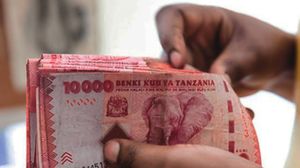
Sh62.5 billion set aside for health insurance of 900,000 households

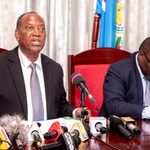
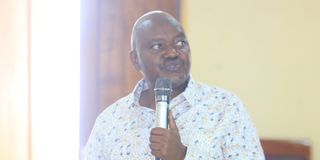
Universal Health Insurance Education Programme national coordinator, Mr Said Makora, trains government and religious leaders, alongside health professionals, on implementing the law during the pilot phase of the health insurance scheme commencing January 2026. During the session held on Monday, December 22, 2025, he disclosed that Sh62.5 billion has been mobilised to serve 900,000 low-income households. PHOTO | ANANIAS KHALULA

What you need to know:

  • Currently 80 percent of citizens access health services at local dispensaries and health centres, while 20 percent receive care at regional hospitals.

Bukoba. The government, through the Ministry of Health, is set to begin paying Sh62.5 billion health insurance premiums for 900,000 low-income households under the Universal Health Insurance Scheme starting January 2026.

The new figures were unveiled on Monday, December 22, 2025, at a meeting aimed at educating health professionals, district executives, directors, and council chairpersons in Kagera Region.

The Universal Health Insurance Education Programme national coordinator, Mr Said Makora, told the meeting that the law requires the government, through the National Health Insurance Fund (NHIF), to cover premiums for households unable to afford them, contributing Sh150,000 per household of six members.

He added that the country currently has 3,919,000 households unable to pay, which will benefit from the pilot phase of the Universal Health Insurance Law, expected to begin in January 2026.

He said the government plans to start with 900,000 households, selected from among nearly four million low-income households.

“I stress that government and religious leaders should assist in accurately identifying households unable to pay for health insurance,” he said.

Mr Makora said the government has collected Sh62.5 billion from July to November 2025 to support these 900,000 low-income households.

According to him, these were preparations for the implementation of the pilot scheme, launched in 2023 and commenced execution on August 16, 2024 (TS No. 700A).

The implementation regulations were published on September 13, 2024 (TS No. 809).

Furthermore, Mr Makora said currently 80 percent of citizens access health services at local dispensaries and health centres, while 20 percent receive care at regional hospitals.

The programme will enable citizens to contribute towards healthcare costs in advance, while the government covers low-income households, promoting shared responsibility.

“This law or concept allows people to pool funds for medical treatment, similar to savings groups. The idea is to contribute collectively so that services are accessible,” he explained.

He added that the government’s responsibility is to ensure that healthcare infrastructure, including facilities, medical professionals, and equipment, is available nationwide.

Under the law, all citizens will be required to have health insurance within three years, following education and awareness campaigns on the scheme.

Regional and council leaders are tasked with assisting authorities in identifying households unable to afford premiums and to ensure cooperation.

“I urge leaders of the national health insurance committees to assist in identifying those without the means,” he said.

Kagera Regional Commissioner, Ms Fatma Mwassa, said the region continues to strengthen healthcare infrastructure.

She noted that 372 out of 393 health facilities are already registered with the Health Insurance Regulatory Authority, as required by the Universal Health Insurance Law, to ensure each facility is certified.

“I urge the remaining 21 facilities to register immediately to comply with the universal health system,” she said.

Ms Mwassa also issued specific instructions to ensure Kagera implements the Universal Health Insurance Law within the first 100 days of President Samia Suluhu Hassan’s government, starting January 2026.

She called on district executives, directors, council chairpersons, and all health professionals to ensure health facilities are properly prepared, with adequate infrastructure, services, and medical equipment.

She also urged all councils in the region to allocate budgets to support operations at these facilities during the initial stages and to establish proper information communication technology (ICT) systems.