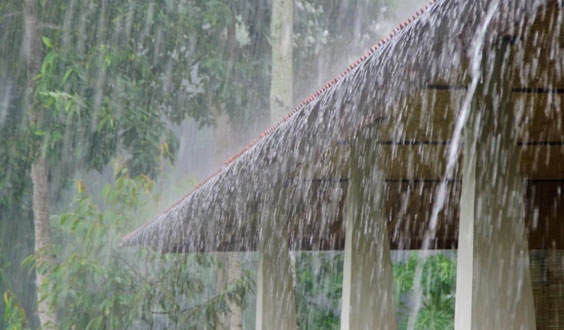
Dar es Salaam. About six regions that receive rainfall twice a year, including Dar es Salaam, are expected to experience normal to above-normal rainfall during the upcoming Masika season (March–April–May), raising the risk of flooding and outbreaks of waterborne diseases, weather experts have warned.
Regions likely to receive normal to above-normal rainfall include Kagera and Geita, as well as parts of the northern coast such as Tanga and Morogoro. Similar conditions are forecast for the Coast Region and the islands of Mafia, Unguja and Pemba.
The Tanzania Meteorological Authority (TMA) director general, Dr Ladislaus Chang’a, made the remarks while briefing journalists on the March–April–May (MAM) Masika rainfall outlook, noting that the rains are expected to start in March and continue until May or June 2026.
“Periods of excessive moisture and flooding may occur and affect crop growth, particularly in areas expected to receive normal to above-normal rainfall,” he said.
Dr Chang’a warned that disease outbreaks, especially vector-borne and waterborne diseases, are anticipated as a result of water contamination.
He urged residents in low-lying areas to take precautionary measures to minimise the impact of possible flooding and related health risks.
The TMA chief also advised farmers, livestock keepers and agricultural extension officers to regularly seek reliable weather and climate information from district and ward authorities to better prepare for seasonal challenges.
In the Lake Victoria basin, covering Mara, Mwanza, Simiyu and Shinyanga regions, rainfall is expected to range from average to slightly below average. In these areas, the rains are forecast to begin in the fourth week of February or early March and end in May.
Dr Chang’a further cautioned that some parts of the country are likely to experience average to below-average rainfall, which could result in water shortages.
“This situation may negatively affect livestock production and could trigger conflicts between pastoralists and other water users,” he said.
In the northern regions of Arusha, Manyara and Kilimanjaro, rainfall is also projected to be average to slightly below average, with the rains expected to start in March and end in May.
Dr Chang’a called on the public to closely follow official weather updates and advisories to enhance preparedness and reduce the impact of extreme weather events.
The Masika rainfall season mainly affects the north-eastern highlands (Arusha, Manyara and Kilimanjaro), the northern coast (northern Morogoro, Pwani including Mafia Island, Dar es Salaam and Tanga), the Lake Victoria basin (Kagera, Geita, Mwanza, Shinyanga, Simiyu and Mara), as well as the northern part of Kigoma Region.
Register to begin your journey to our premium contentSubscribe for full access to premium content