Tanzania destroys 1,000 tonnes of invasive weeds in Lake Victoria
Lake Victoria Basin Director, Dr Renatus Shinhu, addresses journalists in Dodoma on Friday, March 6, 2026, announcing that more than 1,000 tonnes of invasive weeds have been cleared under a national plan to restore the lake’s fragile ecosystem. PHOTO | KATARE MBASHIRU
By Katare Mbashiru
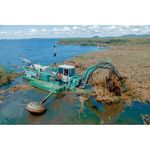
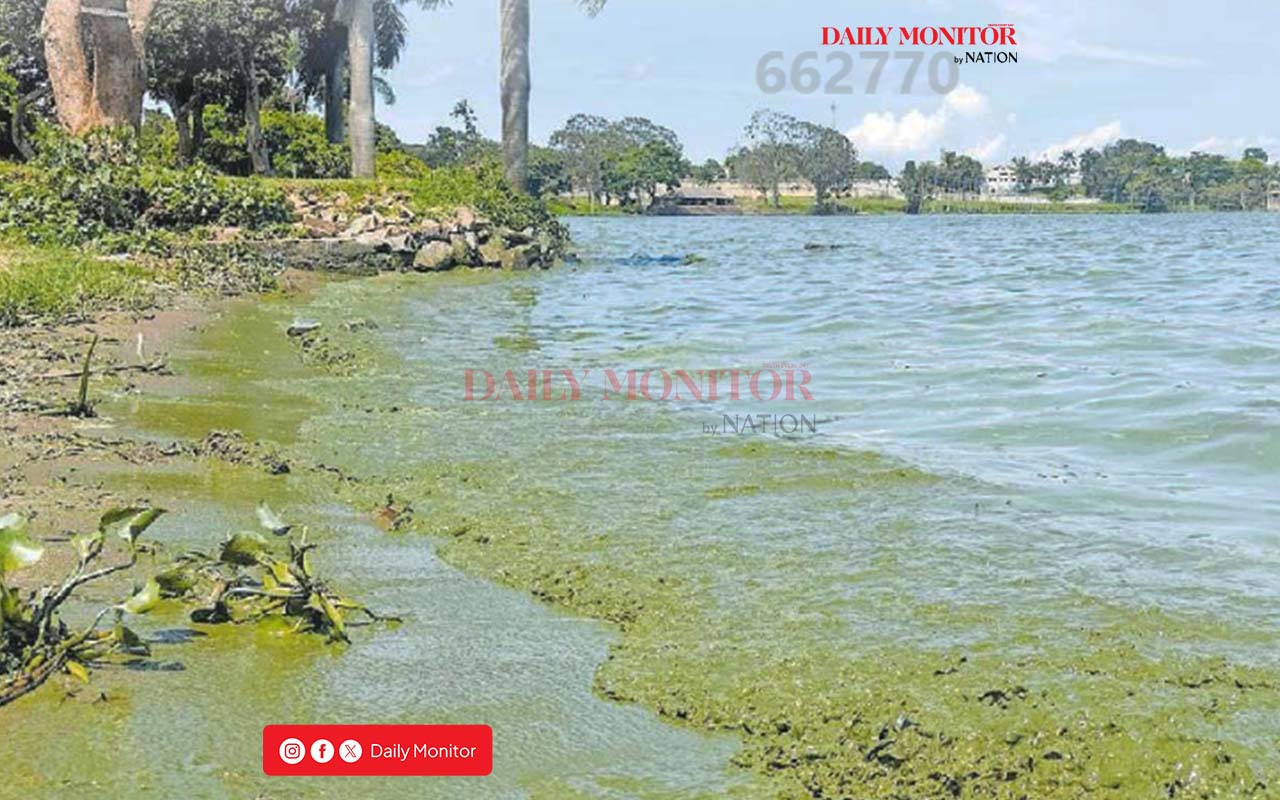
Dodoma. The government has intensified efforts to clear invasive aquatic weeds choking Lake Victoria, announcing that more than 1,000 tonnes have already been destroyed under a national control plan aimed at restoring the lake’s fragile ecosystem.
Addressing journalists in Dodoma on Friday, March 6, 2026, Lake Victoria Basin Director Dr Renatus Shinhu said the campaign focuses on safeguarding the lake while protecting the livelihoods of millions who depend on its waters across East Africa.
Spanning about 68,000 square kilometres, Lake Victoria is Africa’s largest freshwater lake and a crucial economic lifeline for communities in the region.
Tanzania holds 51 percent of the lake, Uganda 43 percent, and Kenya six percent.
Dr Shinhu said the spread of aquatic weeds remains a persistent challenge, often exacerbated by human activities around the lake basin.
Authorities are working closely with the Vice President’s Office and other environmental stakeholders to implement regular programmes aimed at eliminating the invasive plants.
“The lake is vital to the country’s economy, which is why multiple initiatives are being undertaken to protect it at all costs,” he said.
As part of the effort, eight modern Lake Victoria protection centres have been established to monitor the lake and support environmental management.
“The centres are used for direct and routine data collection as well as processing information to guide policy decisions and administrative measures,” said Dr Shinhu.
He added that, in collaboration with the Nile Basin Initiative, the centres provide vital statistics on the status of Lake Victoria’s water resources.
In total, about 90 monitoring centres have been set up across the basin since 2000, though only eight currently have fully operational modern infrastructure due to financial constraints.
Dr Shinhu further revealed that authorities have installed protective boundaries around 25 key water sources within the lake zone to curb human activities that threaten water quality.