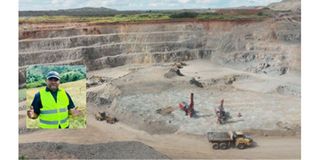
Tanzania eyes economic boost after rare earth discovery in Njombe

Arusha. Tanzania is set for a potential economic boost following the discovery of significant rare earth elements (REEs) deposits in Mkiu Village, Ludewa District, Njombe Region.

The newly discovered minerals, mainly Neodymium (Nd) and Praseodymium (Pr), are among the world’s most valuable strategic minerals due to their increasing use in modern technologies such as electric vehicles, wind turbines, smartphones, electronics and renewable energy systems.

Officials say the discovery could position Tanzania among emerging producers of critical minerals in East Africa as the world accelerates its transition towards clean energy and advanced technologies.

Speaking to journalists on May 20, 2026, Njombe Resident Mining Officer, Engineer Lucas Mlekwa, said the discovery was made during ongoing mineral exploration activities in the region.

He said the exploration is being conducted through cooperation between the government and Hongji Mining Co. Ltd to establish the size and commercial viability of the deposits before large-scale investment begins.

According to Mr Mlekwa, Tanzania stands to benefit significantly from the rapidly expanding global market for rare earth minerals.

“We have high hopes that Tanzania will become one of the countries benefiting economically through trade in these minerals in regional and international markets,” he said.

He noted that the discovery comes at a time when investment in clean energy technologies is increasing globally, driving demand for rare earth minerals.

“These minerals are highly valuable because they are essential in many modern technologies. This marks the beginning of a major economic opportunity for Njombe Region and Tanzania as a whole,” added Mr Mlekwa.

Rare earth elements are a group of 17 minerals known for their unique magnetic and electronic properties. They are widely used in the manufacture of powerful magnets, batteries, electronic devices and renewable energy infrastructure.

Global demand for REEs has continued to rise sharply due to the rapid growth of electric vehicle manufacturing and renewable energy projects worldwide.

Mr Mlekwa said Hongji Mining Co. Ltd has completed the first phase of exploration and is now undertaking detailed assessments ahead of commercial production within the 280-square-kilometre project area.

He added that more than Sh1 billion has already been paid in compensation to residents affected by the project, while environmental impact assessments are nearing completion before mining operations commence.

Director of Hongji Mining Co. Ltd, Mr Yahya Mohamed, said the company intends to use modern in-situ leaching technology, which minimises environmental damage by avoiding large open-pit or underground mining methods.

“We want local communities to benefit directly through employment opportunities, business growth and improved household incomes,” he said.

Apart from the Njombe project, Tanzania is also home to the internationally recognised Ngualla Rare Earth Project in Songwe Region, considered one of the world’s largest undeveloped rare earth deposits.

Economist Ediko Mosha said investment in rare earth minerals could significantly boost government revenues through taxes and exports, while stimulating growth in sectors such as transport, trade, services and technology.

“At a time when the world is shifting towards clean energy and advanced technologies, the discovery in Njombe could strengthen Tanzania’s position in the global strategic minerals economy,” he said.

He added that the government should ensure Tanzanians fully benefit from the resources through policies and investment agreements that protect national interests and create long-term economic value.