Dar es Salaam. Tanzania continues to train thousands of future teachers every year, but new research suggests that many enter classrooms during practicum placements unprepared, insufficiently supported and overwhelmed — raising concerns about the long-term quality of education.
A study by the University of Dodoma has highlighted challenges facing teacher trainees during teaching practicum, including fear of classroom management, lack of mentorship, professional isolation and shortages of teaching and learning materials in schools.
The study, titled Enhancing Teacher Training: A SWOT Perspective on Practicum Experiences in Tanzanian Higher Education, was conducted by researcher Mariam John Nyang’anyi and published in the Journal of Educational Management and Policy Issues (2025).
Based on interviews, classroom observations and document analysis involving 12 teacher trainees placed in secondary schools in Morogoro Region, the research presents a detailed account of the practicum experience in Tanzania.
At the centre of the findings is the argument that improving education quality is closely linked to strengthening teacher preparation, particularly the practicum component where trainees first encounter real classroom environments.
“The teaching practicum is essential for bridging theory and practice,” the study notes, adding that it helps trainees develop teaching skills through lesson delivery, planning and feedback.
However, the findings show that many trainees are not adequately prepared for the emotional and psychological demands of teaching.
A key concern identified was what researchers termed “self-doubting tendencies”, with trainees reporting difficulties in public speaking, maintaining classroom discipline and managing large classes.
“I experience considerable shyness when speaking loudly in front of groups, leading to uncertainty and recurring insecurity in social teaching situations,” said one trainee, identified as Alex.
Another trainee, Grace, said she still found it difficult to discipline students despite completing two practicum sessions.
“Despite completing two practicums, I hesitate to discipline students due to uncertainty about the outcomes,” she said.
The study raises questions about whether teacher training institutions are adequately preparing students beyond academic theory to include emotional readiness and classroom confidence.
According to the researchers, such challenges can weaken teaching effectiveness and ultimately affect learner outcomes.
A student teacher from Dar es Salaam, who completed practicum training in Coast Region and requested anonymity, said lack of guidance in schools remains a major challenge.
“You arrive at school excited, but sometimes nobody guides you properly. Some teachers see you as extra work instead of future colleagues,” she said, adding that feedback was often limited.
The study similarly found that weak mentorship and professional isolation from experienced teachers were major barriers affecting trainees’ development.
“The isolation I observed from in-service teachers reduces my concentration on teaching efforts,” said another trainee, identified as Hellen.
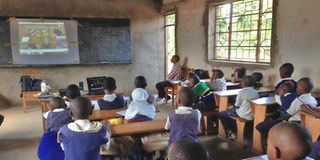
Researchers also cited poor infrastructure and shortages of learning materials as key constraints. Observations revealed overcrowded classrooms, limited laboratory access and inadequate teaching resources, forcing trainees to rely heavily on improvisation.
Despite these challenges, the study noted several positive outcomes from the practicum experience. Many trainees reported improvements in lesson planning, communication skills, classroom interaction and creativity.
Some said the experience helped them connect theoretical knowledge to real classroom practice, while others noted gains in resilience and adaptability.
The researchers recommend reforms including stronger collaboration between universities and schools, structured mentorship systems, emotional resilience training, improved classroom management preparation and better assessment of practicum placement schools.
They also call for increased investment in school resources, particularly in rural areas where conditions remain most challenging.
The study concludes that the practicum can either serve as a critical bridge into the teaching profession or become a discouraging experience that pushes young teachers away from classrooms.
Register to begin your journey to our premium contentSubscribe for full access to premium content