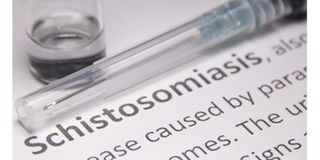
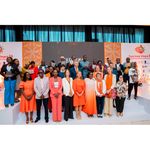
Dar es Salaam. The Ministry of Health, through the National Institute for Medical Research (NIMR), in partnership with the United Nations Development Programme (UNDP) and the World Health Organization (WHO), has launched the delivery of arpraziquantel (arPZQ), the first paediatric formulation of praziquantel designed specifically for preschool-aged children suffering from schistosomiasis.
Other partners in the programme include the Japan and the Global Health Innovative Technology Fund (GHIT Fund). Development partners, donors, government officials and implementing agencies will witness the first deliveries using a test-and-treat approach at Sengerema Health Centre in Sengerema District, Mwanza Region.
The launch marks a major milestone in Tanzania’s fight against schistosomiasis, particularly in the Lake Zone, where infection rates among children under five remain high. The pilot programme aims to reach more than 25,000 preschool-aged children in selected districts and will inform national and regional scale-up strategies.
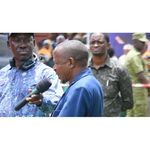
The Non-Communicable and Neglected Tropical Diseases Control Programme coordinator from the Ministry of Health, Mohamed Nyatisai, said schistosomiasis continues to pose a serious health burden, especially in communities around Lake Victoria.
He noted that health facilities continue to receive patients with advanced symptoms, some leading to severe complications and even death.
“For many years, treatment for children under five has been a challenge because the available medicine was not tailored to their age group and often came with side effects,” he said. “Now we have a child-friendly formulation that can be safely administered when guidelines are followed.”
Previously, common side effects of praziquantel included vomiting, stomach pain and weakness, particularly when taken on an empty stomach—a major hurdle in rural settings where some children had not eaten before treatment. Parents frequently raised concerns about adverse reactions.
Health officials say the newly introduced arPZQ formulation is more suitable for young children, and parents will be advised to report to the nearest facility should any side effects occur.
UNDP Deputy Representative John Rutera said the partnership reflects a shared commitment to close the long-ڍstanding treatment gap for younger children.
“Many of the earlier medicines were developed primarily for adults,” he said. “Through the Access and Delivery Partnership, we have supported efforts to introduce this newly developed treatment and test delivery models that will allow nationwide expansion.”
He added that schistosomiasis remains preventable through improved hygiene, safe water practices and strengthened community awareness.
Through its Access and Delivery Partnership (ADP) project funded by Japan, UNDP has supported Tanzania since 2018 with baseline disease mapping, community engagement, national consultations, regulatory strengthening and cost-benefit analysis.
Chief Research Scientist and Director of Research Coordination and Promotion at NIMR, Dr Paul Kazyoba, who is also the principal investigator of the STEPPS project—Strengthening Capacity for Delivery and Uptake of Paediatric Praziquantel Formulation for Schistosomiasis—said environmental conditions in the Lake Zone contribute significantly to high transmission rates.
“This new development will transform treatment options for younger children who were previously left out of mass drug administration campaigns,” he said.
The 18-month pilot will be implemented in Itilima, Sengerema and Kigoma district councils. It will assess the feasibility of integrating arPZQ into existing healthcare systems while evaluating different delivery models.
In September 2025, Tanzania became the first country globally to grant regulatory approval for arPZQ, paving the way for the pilot rollout. Technical assistance supported national regulatory processes and accelerated approval mechanisms in collaboration with international partners.
Schistosomiasis affects millions globally and remains highly endemic in Tanzania, particularly in regions surrounding Lake Victoria.
The introduction of arPZQ—the first treatment designed specifically for children under five—closes a critical treatment gap and positions Tanzania as a global leader in deploying child-focused innovations against neglected tropical diseases.