Dodoma. The government has directed regional and district health authorities to ensure that gains made through a nine-year family planning programme are not lost following the closure of a UK-funded initiative that expanded reproductive health services to millions of Tanzanians.
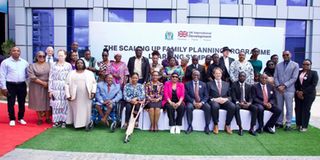
Speaking during a learning symposium in Dodoma to mark the official close-out of the Scaling Up Family Planning (SuFP) Programme, Chief Medical Officer Dr Grace Magembe instructed Regional Medical Officers (RMOs) and District Medical Officers (DMOs) to integrate successful interventions into local plans and budgets to guarantee continuity of services.
Dr Magembe said the officials had not been invited merely to witness the end of the programme but to ensure its achievements become part of routine health service delivery across the country.
“We must make sure the progress achieved through this programme continues beyond donor support. Regional and council health authorities should incorporate these interventions into their plans and budgets so that services remain available to the people who need them most,” she said.
The SuFP Programme, funded by the United Kingdom’s Foreign, Commonwealth and Development Office (FCDO), was implemented between 2017 and 2026 through a partnership involving the Government of Tanzania, EngenderHealth, UNFPA, MSI Tanzania, Pathfinder International, Comprehensive Community Based Rehabilitation in Tanzania (CCBRT), DKT International and the International Rescue Committee (IRC).
Over the past nine years, the programme focused on expanding access to family planning and reproductive health services, particularly among women, girls, young people, people with disabilities and residents of underserved communities.
According to programme partners, SuFP strengthened family planning service delivery, improved reproductive health commodity supply chains, enhanced the capacity of health providers and promoted data-driven decision-making within the health sector.
The programme also introduced disability-inclusive and youth-responsive approaches aimed at addressing barriers that have historically limited access to reproductive health services for vulnerable groups.
Addressing the symposium, Deputy Development Director at the British High Commission in Tanzania, Mr Will Guest, said the programme had demonstrated the impact of sustained investment in reproductive health.
“The UK remains firmly committed to advancing the rights of women and girls. In Tanzania, the SuFP programme shows what that commitment can achieve,” he said.
Mr Guest noted that more than 5.2 million women and girls had been reached with family planning services through the programme.
He added that the initiative helped prevent over 6,500 maternal deaths and approximately 8.3 million unintended pregnancies during its implementation period.
“These achievements have empowered women and girls to make informed choices about their futures while contributing to improved health outcomes across the country,” he said.
However, Mr Guest stressed that preserving those gains would require stronger local ownership, continued investment in high-impact interventions and the application of lessons learned to future health programmes.
Speaking on behalf of implementing partners, UNFPA Tanzania Resident Representative Mr Mark Bryan Schreiner said the programme had demonstrated the value of collaboration between government institutions, development partners, healthcare providers and communities.
“The SuFP Programme has shown that meaningful progress is possible when stakeholders work together towards a common goal,” he said.
“The lessons generated through this initiative provide valuable guidance for future investments in reproductive health and health systems strengthening. As we close this chapter, it is important that the gains made are sustained.”
On top of that, MSI Tanzania Chief Operating Officer Dr Stephen Mutegeki echoed the call, saying the organisation would continue working with government and other partners to support equitable access to reproductive health services.
He said the programme's success was built on strong partnerships and a shared commitment to improving the wellbeing of Tanzanians.
“The end of the programme should not mean the end of its impact. We will continue working with government and partners to ensure that the systems, skills and services established through SuFP continue benefiting women, young people and vulnerable communities across Tanzania,” said Dr Mutegeki.