Tanzania’s deaf community seeks Sh100m for medical symbol journal to protect patient confidentiality
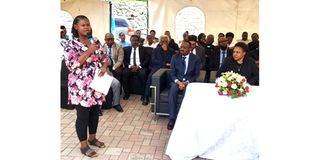
The specialist in sign language, Agnes Mweta, speaks about the importance of sign language in the presence of Deputy Minister for Health, Florence Samizi, in Arusha Region recently. Photo|Filbert Rweyemamu.
Arusha. A group dedicated to promoting talent and innovation among deaf people in Tanzania is seeking Sh100 million to develop a medical symbol journal aimed at improving communication between healthcare workers and deaf patients while safeguarding medical confidentiality.
The initiative, led by the Tanzania Association for the Development of Deaf Talent and Innovation (Kikuvuvita), seeks to eliminate communication barriers in health facilities by enabling doctors and nurses to interact with deaf patients without relying on interpreters.
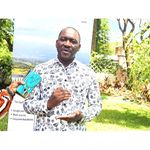
Speaking to The Citizen's sister newspaper, Mwananchi on April 19, 2026, Kikuvuvita Arusha regional chairperson Agrey Lyimo said the idea was developed after members raised concerns over poor access to healthcare services due to the unavailability of sign language interpreters in many health facilities.
Mr Lyimo said the proposed journal is designed to address communication challenges between healthcare providers and deaf patients, noting that most doctors and nurses are not proficient in Tanzanian Sign Language (LAT).
He added that the use of sign language interpreters in clinical settings often risks breaching patient confidentiality.
“Sign language should help maintain confidentiality between a doctor, nurse and a deaf patient, as required by medical ethics. The presence of an interpreter can sometimes expose a patient’s private medical information, which undermines their dignity,” said Mr Lyimo.
He said the journal would enable deaf patients to receive appropriate treatment at any health facility without necessarily requiring interpretation services.
According to the 2022 Population and Housing Census, 14 per cent of Tanzanians aged five years and above live with disabilities. Of these, 10.2 per cent have hearing impairments while 5.7 per cent have speech difficulties.
Mr Lyimo said that given the significant number of people living with disabilities, the government and development partners have continued to seek solutions to reduce disability-related challenges, including through policies, legislation and strategic planning, as well as budget allocations for vulnerable groups.
Singida’s Itigi District Medical Officer, Dr Emmanuel Malange, welcomed the initiative, but urged increased training in sign language for healthcare professionals to improve service delivery and ensure patient confidentiality is maintained.
He said deaf people require the same quality of healthcare as other members of society, adding that doctors and nurses should learn sign language to broaden their capacity in service delivery.