Arusha. Tanzania is stepping up efforts to position its higher education sector on the global stage, with experts and university leaders meeting in Arusha to chart strategies aimed at improving international competitiveness through research, innovation and academic collaboration.
The experts are expected to adopt resolutions to strengthen the country's higher education system, with a particular focus on research, technology and partnerships with international institutions.
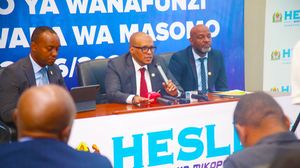
The discussions are taking place during the International Conference on the Internationalisation of Higher Education, organised by the Tanzania Commission for Universities (TCU), which has brought together university leaders, policymakers, education specialists and development partners.
Opening the conference on June 19, 2026, the Vice Chancellor of the Nelson Mandela African Institution of Science and Technology (NM-AIST), Professor Maulilio Kipanyula, said the gathering reflected growing recognition that universities must embrace international collaboration to remain relevant in a rapidly changing world.
He said higher learning institutions are increasingly expected to work across borders in generating knowledge, conducting research and driving innovations that address social and economic challenges.
“The goal is to ensure Tanzania’s higher education system becomes an active player in the global education landscape through research, innovation, academic collaboration and the exchange of students and lecturers,” Prof Kipanyula said.
According to him, discussions are focusing on strengthening international partnerships, increasing student and staff mobility and creating systems that facilitate the exchange of knowledge and expertise between Tanzanian institutions and leading universities around the world.
He said such efforts would improve the quality of education while enhancing the ability of local universities to undertake globally competitive research and develop innovations that support national development.
Prof Kipanyula said that the conference is expected to produce resolutions to guide future collaboration between local universities and institutions across the East African Community and beyond.
Mzumbe University Vice Chancellor Professor William Mwegoha said Tanzanian universities still face challenges in meeting global standards because of policy, regulatory and institutional barriers that require reforms.
He said the conference provides an opportunity for stakeholders to explore ways of integrating Tanzania more closely into the global higher education ecosystem, from curriculum development and academic programmes to research and innovation.
“We are building an ecosystem that will make Tanzania’s education system part of the global education community. Our programmes must be internationally recognised, there must be greater exchange of lecturers and students, and our graduates must be able to compete effectively in the global labour market,” he said.
The conference is being held under the TANZIE Project (Tanzania–Internationalisation Strategies for Higher Education), an initiative funded by the European Union to support universities in strengthening internationalisation and academic cooperation while aligning with global education standards.
Presenting on pathways for transforming university internationalisation through global benchmarking and best practices, Dr Joseph Cosam of the Inter-University Council for East Africa (IUCEA) said regional and international collaboration remained essential in improving the quality of higher education.
He said IUCEA continues to implement student and academic staff mobility programmes across East African Community member states while supporting cross-border research initiatives.
“This is aimed at nurturing a generation of professionals who can operate effectively in both regional and international environments,” he said.
Register to begin your journey to our premium contentSubscribe for full access to premium content