Dar es Salaam. The United States Senate Foreign Relations Committee has advanced a bill seeking a review of bilateral relations between the US and Tanzania.
The bill, now awaiting full Senate vote, places greater emphasis on institutional reforms that Tanzania must take to foster its relations with the US.
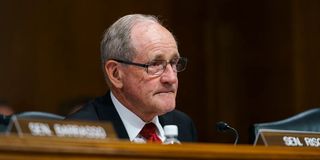
The committee, chaired by Senator Jim Risch, approved 24 amendments to a broader legislative package focused on strengthening US national security and global interests.
The decision was announced in a joint statement issued on June 17, 2026, by Senator Risch and Senator Jeanne Shaheen following a bipartisan committee session that approved the package by consensus.
Among the measures approved was Bill S.4577, the "Review of Bilateral Relations between the United States and Tanzania Act", introduced by Senators Ted Cruz and Jeanne Shaheen.
"We are pleased to see these bipartisan bills move forward one step closer to better protecting US interests around the world," the statement said.
The bill now proceeds to the full US Senate for consideration before potentially being sent to the President for assent.
The Tanzania-focused legislation stems from concerns raised by Washington following Tanzania's October 2025 General Election, with US officials previously citing alleged human rights violations and concerns over democratic governance.
The original bill proposed a broad review of relations covering diplomacy, security cooperation, trade and development assistance. It also suggested suspending some security and development programmes, reviewing trade cooperation arrangements and imposing restrictions on individuals accused of serious human rights violations.
Amendments
However, amendments introduced by Senator Shaheen significantly softened several provisions.
The revised version removes proposals to suspend military cooperation between the two countries and drops provisions relating to security assistance, retaining restrictions linked mainly to development funding.
The legislation still proposes suspending Millennium Challenge Corporation funding until certain conditions are met, but introduces a waiver mechanism allowing the US Secretary of State to lift restrictions if deemed necessary for American national interests.
The revised draft also replaces a proposed standalone sanctions framework with provisions under the existing Global Magnitsky Human Rights Accountability Act targeting individuals linked to corruption or human rights abuses.
Reform emphasis
The amended legislation also shifts focus from immediate implementation of governance and electoral reforms to initiating a structured reform process.
The changes are seen as recognising that institutional reforms require time and phased implementation while allowing Tanzania to demonstrate progress without disrupting broader bilateral engagements.
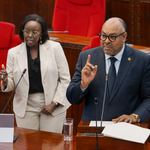
Presenting the government's position in Parliament, Foreign Affairs Minister Kombo Mwinyi said recently that Tanzania would continue using diplomatic channels to manage emerging tensions while safeguarding its international relations.
He said Tanzania would respond firmly but through diplomacy.
The minister cited President Hassan's reconciliation agenda, the R4 philosophy and policies promoting religious freedom as important pillars supporting Tanzania's international partnerships.
He also invited critics of Tanzania's human rights record to visit the country, saying they would witness stability and peaceful coexistence.
Mr Kombo said that Tanzania's ambassador to the US, Dr Elsie Sia Kanza, had been instructed to engage diplomatically on the matter.
Lawmakers also expressed differing views during parliamentary debate.
Mtama MP Nape Nnauye said foreign partners should respect Tanzania's sovereignty, while Bunda MP Ester Bulaya argued that external actions should not be used to politically weaken the country.
However, Tunduru North MP Addo Shaibu of ACT-Wazalendo cautioned that non-alignment should not be used to overlook accountability, justice and human rights concerns.
He urged the government to remain firm in defending justice while opposing oppression and abuse of power globally.
Register to begin your journey to our premium contentSubscribe for full access to premium content