Arusha. The Government. has called on the private sector to increase investment in the production, importation and distribution of livestock vaccines as part of efforts to strengthen animal health, improve productivity and unlock greater opportunities in domestic and international livestock markets.
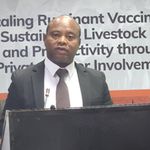
The call was made in Arusha by the Deputy Permanent Secretary in the Ministry of Livestock and Fisheries, Dr Fabian Madele, during the Ruminant Vaccination Multi-Stakeholder Workshop organized through a partnership between the Ministry, GALVmed, FAO Tanzania and the Tanzania Animal Health Organization (TAHO).
Dr Madele said the livestock sector remains one of the key pillars of Tanzania’s economy, contributing significantly to food and nutrition security, employment creation, household incomes, industrial development and export earnings.
Despite its enormous potential, he noted that the sector continues to face major challenges from livestock diseases that reduce productivity, lower the quality of livestock products and limit access to lucrative markets.
“Healthy livestock are the foundation of a vibrant livestock economy. Without effective disease control, it is difficult to increase production, improve farmers’ incomes and expand livestock trade,” he said.
Among the major diseases affecting the sector are Peste des Petits Ruminants (PPR), Foot-and-Mouth Disease (FMD), Brucellosis and Contagious Bovine Pleuropneumonia (CBPP), as well as other transboundary animal diseases that continue to cause substantial economic losses.
According to Dr Madele, these diseases not only affect meat and milk production but also undermine Tanzania’s competitiveness in regional and international livestock markets.
To address these challenges, the government has intensified efforts to strengthen animal health systems through policy reforms, improved veterinary services, enhanced disease surveillance and the implementation of national vaccination programmes.
He highlighted the National Livestock Vaccination and Identification Campaign, launched in 2025 by President Samia Suluhu Hassan, as a landmark initiative aimed at transforming the sector.
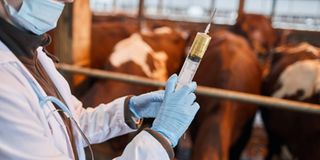
The five-year programme, valued at Sh 216 billion, seeks to increase vaccination coverage against priority livestock diseases and strengthen vaccination services across all 184 local government authorities in the country.
Dr Madele said the campaign is expected to reduce livestock mortality, improve production efficiency and enhance market access for livestock and livestock products.
He stressed that the workshop’s theme, “Scaling Up Ruminant Vaccination for Sustainable Animal Health and Increased Livestock Productivity Through Private Sector Engagement,” reflects the growing recognition that sustainable vaccination programmes cannot be achieved through public sector efforts alone.
“We need strong collaboration among vaccine manufacturers, distributors, veterinary professionals, livestock keepers’ associations, financial institutions, development partners and livestock farmers themselves to ensure vaccines are accessible, affordable and available where they are needed most,” he said.
The Deputy Permanent Secretary further outlined key priorities for the 2026/27 financial year, including expanding the national vaccination programme, strengthening livestock identification and traceability systems, improving disease surveillance through digital technologies and increasing private sector participation in animal health services.
He said that livestock identification has become a critical requirement not only for disease control but also for animal movement management, export certification, market access and value chain development.
“Robust livestock identification systems create a strong foundation for profitable trade, food security and access to high-value markets,” he added.
He assured investors that the government would continue creating an enabling environment for investment in vaccine production, storage and distribution, describing private sector participation as essential to building a competitive and resilient livestock industry.
Speaking at the workshop, TAHO Director Dr Daniel Dulla said the private sector has played a crucial role in supporting government efforts to improve disease reporting systems and ensure timely responses to disease outbreaks.
He emphasized the need for stronger collaboration in monitoring vaccine quality to ensure farmers receive effective products that support productivity and enhance access to reliable domestic and export markets.
The Secretary General of the Tanzania Livestock Keepers Association (CCWT), Mathayo Daniel, described investment in livestock vaccines as a strategic tool for building a healthier and more productive livestock sector capable of making a greater contribution to national economic growth.
He said the workshop brought together representatives from government institutions, private companies, development partners, research and academic institutions, vaccine manufacturers, distributors and livestock keepers’ organizations to discuss practical strategies for expanding vaccination coverage and strengthening animal health systems across Tanzania.