Josephine Christopher is a senior business journalist for The Citizen and Mwananchi newspapers
Mwananchi Communications Limitted
Nairobi. Tanzania has called for predictable and accessible financing to enable developing countries to meet their environmental obligations, as African leaders pushed for a fair and inclusive global economic transition.
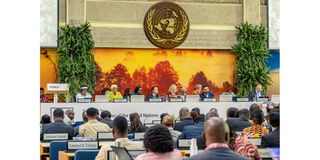
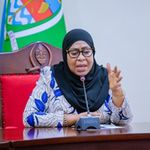
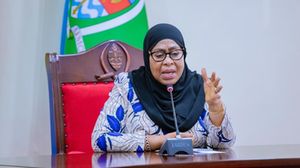
The national statement was delivered during the third day of the Seventh Session of the UN Environment Assembly (UNEA-7) in Nairobi on December 11, 2025 by Minister of State in the Prime Minister’s Office (Policy, Parliament, Coordination and People with Disabilities), Mr William Lukuvi, speaking on behalf of President Samia Suluhu Hassan.
He emphasised that Tanzania’s environmental agenda is anchored in Vision 2050 and the country’s efforts to expand access to clean energy.
“Predictable financing is essential for many developing nations, including Tanzania,” Mr Lukuvi said, noting that despite strong policy frameworks, financial gaps continue to limit the pace and scale of implementation. “Countries continue to outweigh our capacities, and we call on all partners to honour their commitments. Let this assembly be a turning point where we choose cooperation over competition.”
He further stressed Tanzania’s commitment to work with all Member States to build a stronger multilateral environmental system capable of supporting national development while protecting ecosystems.
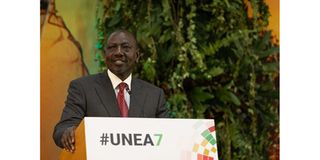
The African message of fairness was echoed by President of Kenya, William Ruto, who warned that the continent continues to bear the harshest consequences of a climate crisis it did not cause—from failed harvests to destructive floods and intensifying storms.
Kenyan President William Ruto during the opening of the high-level segment at UNEA-7 on Thursday, December 11, 2025.
“Behind each statistic is a farmer, a small business, a community uprooted,” he said, cautioning that rapid technological and economic shifts risk reproducing old patterns of extraction, exclusion and pollution unless environmental safeguards are applied.
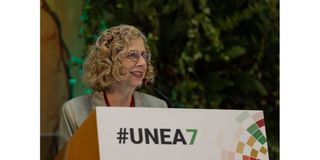
Executive Director of UNEP, Ms Inger Andersen, also stressed the urgent need for fairness and financing, noting that developing countries will require between $310 billion and $365 billion annually for climate adaptation by 2035—around twelve times current international public flows.
Executive Director of the United Nations Environment Programme, Ms Inger Andersen, at UNEA-7 in Nairobi, Kenya. Photo: UNEP.
She welcomed African-led initiatives such as the Africa Climate Innovation Compact (ACIC) and the African Climate Facility (ACF) as crucial mechanisms for mobilising innovation and local climate solutions.
UNEA-7, the world’s highest decision-making body on environmental matters, continues this week with negotiations on resolutions addressing climate resilience, biodiversity protection, pollution control and emerging technologies.
While non-binding, its decisions have historically shaped global environmental priorities and informed national policies worldwide.