Transporters seek safeguards amid fears of fuel shock

Dar es Salaam. Tanzania could face renewed fuel price shocks and wider economic strain if escalating conflict in the Middle East disrupts global oil supplies, industry players have warned, urging swift measures to cushion the economy before the impact deepens.

With nearly all of Tanzania’s petroleum imports routed through the Gulf, any prolonged instability in the region risks pushing crude prices higher, tightening supply chains and transmitting fresh cost pressures into transport, food and manufacturing sectors.

The warning comes as the Energy and Water Utilities Regulatory Authority (Ewura) announced higher pump prices for March, citing rising global oil benchmarks and exchange rate pressures.

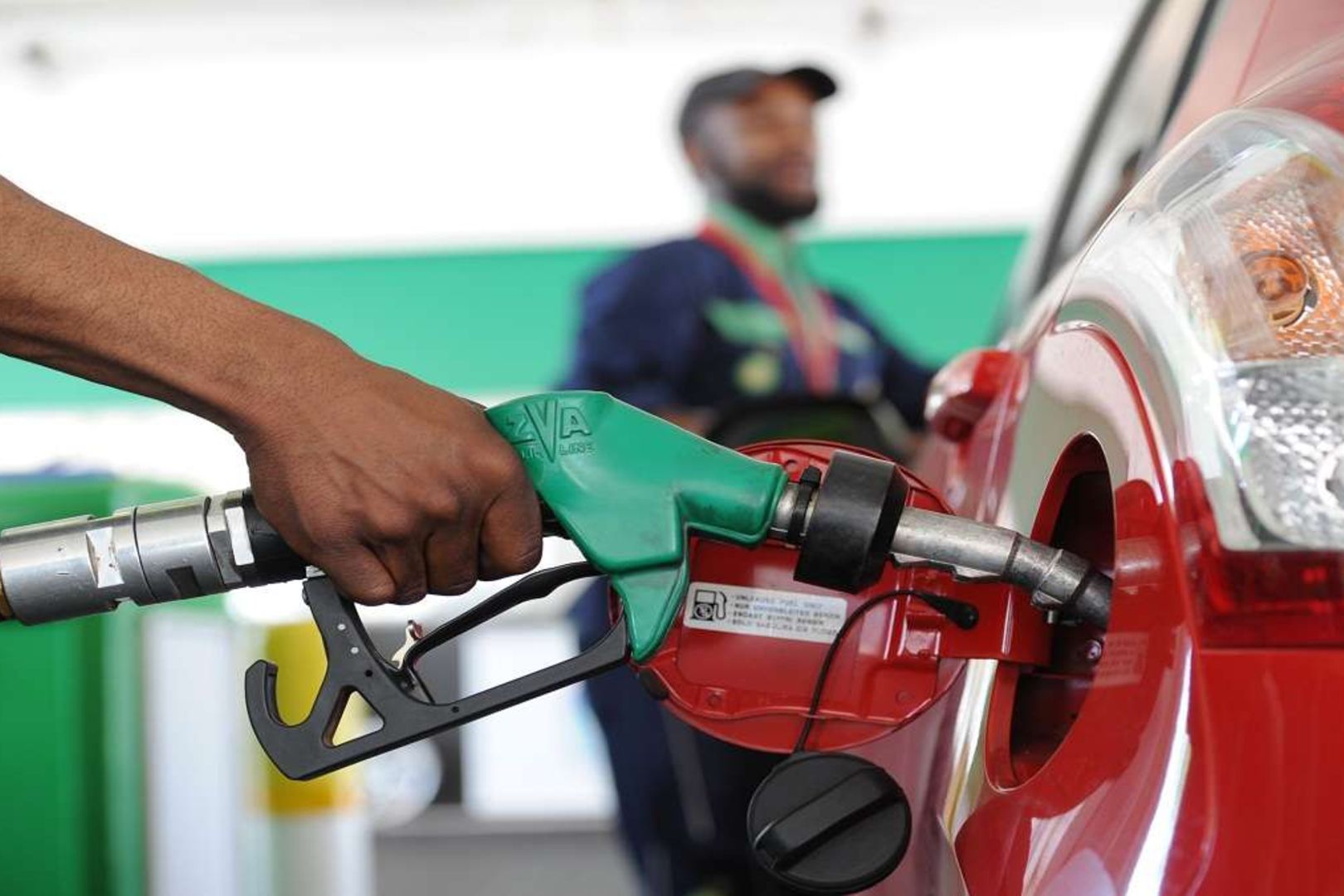
In Dar es Salaam, petrol increased to Sh2,864 per litre from Sh2,788 in February, while diesel — the backbone of public transport and cargo movement — rose by Sh157 to Sh2,858. Similar increases were recorded in Tanga and Mtwara.

Transport operators say the latest adjustment may only be the beginning.

“Almost 100 percent of our petroleum products originate from the Middle East corridor. Any prolonged conflict will significantly affect local pump prices,” said Executive Director of the Tanzania Association of Oil Marketing Companies (Taomac), Mr Raphael Mgaya.

He noted that cargoes for March and April were secured earlier, limiting the immediate shock. However, if tensions persist, upward revisions could follow from May or June.

For commuter bus owners, already operating on tight margins, sustained increases could trigger service disruptions.

“When fuel prices rise, authorities must consider the operational realities facing transporters so that a balanced solution can be reached,” said Kipaya Lema, Secretary of the Dar es Salaam Commuter Bus Owners Association (Darcoboa).

Most commuter buses rely on diesel, while the alternative — compressed natural gas (CNG) — remains out of reach for many. Converting a vehicle can cost around Sh4 million for pipe replacements alone and refuelling infrastructure is still limited.

Without support, Mr Lema warned, some operators may be forced to park vehicles or push for fare increases, placing additional strain on commuters.

The Tanzania Bus Owners Association (TABOA) echoed the concern, cautioning that transport costs quickly filter through the wider economy.

“Transport costs influence the prices of goods and services. If fuel prices continue rising beyond our tolerance levels, we will not cope,” said TABOA spokesperson Mustafa Mwalongo.

Ewura attributed the March increase to higher Free on Board (FOB) reference prices in the Arab Gulf — up 6.2 per cent for petrol, 9.8 per cent for diesel and 7.4 per cent for kerosene — alongside an 8.54 per cent rise in the exchange rate.

Despite assurances that the country holds sufficient petroleum stocks to sustain economic activity, analysts warn that prolonged geopolitical instability could test Tanzania’s resilience.

Industry stakeholders say cushioning measures are urgently needed. Among proposals are temporary tax relief or targeted subsidies to stabilise pump prices, accelerated expansion of strategic fuel reserves and faster rollout of CNG infrastructure to reduce reliance on imported petroleum.

Tanzania Petroleum Development Corporation (TPDC) Managing Director Mussa Makame said high conversion costs, largely driven by imported equipment, remain the main barrier to gas adoption.

He called for coordinated action, including tax incentives on CNG kits, promotion of local manufacturing and tailored financing from banks to allow vehicle owners to spread conversion costs over time.

“Given that CNG is generally cheaper than petrol or diesel, savings from lower fuel expenses could be used to service conversion loans,” he said.

Economists say diversifying energy sources, strengthening foreign exchange reserves and improving logistics efficiency would also help shield the economy from external oil shocks.

With global oil markets reacting swiftly to geopolitical tensions, the coming months may test Tanzania’s preparedness.

For now, operators and consumers alike are watching the Middle East closely — aware that events thousands of kilometres away could soon be reflected on local pump displays and in household budgets across the country.