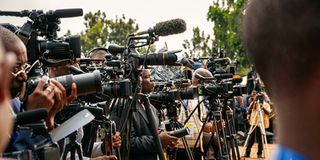
Dar es Salaam. The East African Kiswahili Commission (Kakama), in partnership with the United Nations Educational, Scientific and Cultural Organisation (UNESCO), has launched a Disaster Preparedness and Response Framework for Media Institutions aimed at strengthening the role of news organisations in disaster risk reduction and emergency response.
The framework was launched in Bujumbura, Burundi, on July 7, 2026, with further details provided by Dr Caroline Asiimwe during an interview with The Citizen's sister newspaper, Mwananchi on July 16, 2026.
According to UNESCO, the framework is aligned with the Sendai Framework for Disaster Risk Reduction and the United Nations' disaster risk reduction agenda, with the objective of building more resilient communities.
UNESCO said the publication is the first of its kind, providing practical recommendations to help media institutions develop or strengthen disaster preparedness and response plans. It also seeks to improve community resilience by promoting accurate reporting that encourages informed decision-making and behavioural change.
The organisation noted that climate change has led to a rise in disasters worldwide, disrupting livelihoods, damaging infrastructure and placing millions of people at greater risk.
According to the United Nations Office for Disaster Risk Reduction (UNDRR), disasters cause annual global economic losses exceeding $2.3 trillion (about Sh6.21 quadrillion).
UNDRR also reports that only 40 percent of African countries have multi-hazard early warning systems. Countries with such systems record disaster-related death rates that are eight times lower than those without them.
In addition, 32 African countries have established disaster loss databases. However, UNESCO emphasised that collecting data alone is insufficient unless vital information reaches communities promptly and in languages they understand.
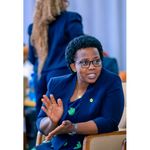
Speaking during the launch, Dr Caroline Asiimwe said bridging the gap between scientific knowledge and public action requires the active involvement of the media.
She said radio, television, newspapers and digital platforms play a critical role throughout the disaster management cycle, from preparedness and prevention to response and recovery.
“Across Africa, particularly in East Africa, the media have made a significant contribution during major emergencies, including floods, famine and public health crises such as the Covid-19 pandemic,” said Dr Caroline Asiimwe.
She added that without the media, many communities would have been deprived of life-saving information during emergencies, even though news organisations themselves are often affected by the disasters they cover.
However, Dr Caroline Asiimwe noted that many media outlets still focus on reporting disasters after they occur rather than investing in preparedness journalism centred on risk assessment and prevention.
She said the framework is intended to ensure the public continues to receive accurate and reliable information before, during and after disasters, while enabling media institutions to maintain operations even when facing emergencies.
She added that translating the framework into Kiswahili will make it more accessible to a wider audience across East Africa.
Following the recent World Kiswahili Language Day celebrations, Kakama and UNESCO resolved to distribute the framework to media organisations across the region to strengthen institutional preparedness and promote coordinated disaster response within the media sector.
The initiative was made possible through the translation of the publication into Kiswahili as part of broader efforts to promote discussions that reflect East Africa's environmental realities and priorities in collaboration with the scientific community.
Dr Caroline Asiimwe said the framework will help translate scientific research and technical data into clear, accessible language that supports informed government action and community participation.
She also urged media organisations to adopt the framework as part of their institutional resilience strategies to reduce the economic impact of inadequate disaster preparedness, while ensuring they remain trusted sources of information during emergencies.
Dr Caroline Asiimwe commended UNESCO and all partners involved in developing the publication, saying its ultimate goal is to build resilient, well-informed communities capable of participating in global discussions through their own languages, particularly Kiswahili.