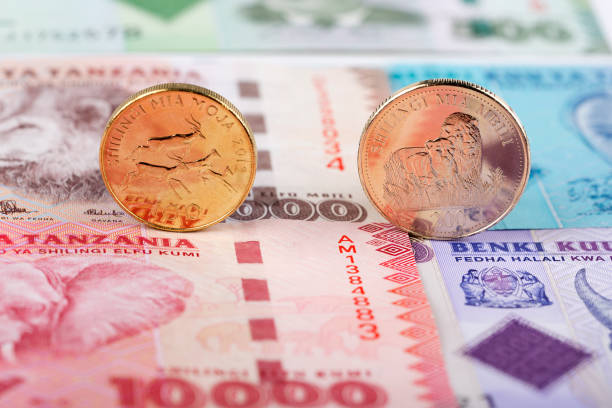
On the trading floor of the London Stock Exchange (LSE) last week, a Tanzanian shilling denominated bond was listed for the first time in the market's history.
The instrument, worth $100 million, or roughly Sh262.5 billion, was issued by the International Finance Corporation and channelled to NMB Bank Plc to expand SME lending, with a fifth of the proceeds ring fenced for women owned businesses.
Finance Minister Ambassador Khamis Mussa Omar rang the closing bell and called it the start of Tanzania's active participation in international capital markets using its own currency. He is right to call it a milestone. He is also, understandably, selling it as more than it currently is.
The bond is not sovereign debt. The credit risk investors priced is the IFC's, carrying its triple A rating, not the credit risk of the United Republic of Tanzania. Treasury delivered the currency exposure and the platform; the IFC delivered the balance sheet.
That distinction matters to institutional investors. A sovereign Eurobond, in shillings or otherwise, tests whether global capital trusts Dar es Salaam's fiscal management and debt sustainability directly.
This transaction tests something narrower and, for now, more achievable: whether international investors will hold shilling denominated risk at all, provided a triple A institution stands behind it.
Seen regionally, Tanzania has arrived late to a table others set years ago. The LSE already lists seventy African local currency bonds, the majority in South African rand, with two each in Ghanaian cedi, Kenyan shilling and Nigerian naira, and one in Rwandan franc.
The World Bank listed its first Rwandan franc bond in London in 2020, structured much as this one is: a triple A multilateral issuer absorbing the credit risk while investors take the currency view. Kenya's shilling carried a similar arrangement through IFC and Standard Chartered as recently as last year.
Tanzania's shilling was, until last week, conspicuously absent. This listing is a catching up exercise dressed, not unreasonably, in the language of a breakthrough.
That does not make it unimportant. Currency mismatch is one of the most persistent, underdiscussed risks facing African SME lenders, and this structure genuinely addresses it.
NMB Bank borrows in the currency its borrowers earn and repay in, rather than taking on dollar liabilities against shilling revenues, a mismatch that has sunk more than a few well-intentioned credit lines when the exchange rate moved against them.
The IFC has now deployed more than $1.6 billion into Tanzania across infrastructure, agriculture, capital markets and energy, and this transaction is expected to support financing reaching thirteen to twenty thousand jobs.
That earmark deserves scrutiny, not applause on its own terms. Across the continent, headline commitments to women owned businesses have too often translated into account opening incentives, waived fees or symbolic credit lines, rather than the collateral relief, working capital and growth financing SMEs actually need to scale.
A woman who no longer pays a monthly account fee has not been capitalised. NMB Bank and its regulators would do well to state, publicly, how the Sh52.5 billion reaches women led enterprises: loan sizes, collateral terms, sector allocation and repayment structures, not marketing language. Tanzania has a chance to set a regional standard for what a gender allocation actually delivers, rather than repeat a pattern sophisticated investors have learned to discount.
What investors should watch next is whether this listing generates the two things that build a local currency debt market: secondary trading volume and a reliable yield curve. A single $100 million issuance, however well subscribed, does not on its own create price discovery.
Rwanda's franc bonds and Nigeria's naira listings offer an instructive precedent: multiple issuances over years, not one transaction, produced whatever depth those markets now have. Tanzania's next shilling instrument will tell us more about durable investor appetite than this debut can.
For sovereign wealth funds and development finance institutions weighing Tanzania more broadly, the honest read is this.
The listing signals that Tanzania's currency, regulatory clearances and banking sector counterpart are now investable by international standards, genuine progress worth recognising. It does not yet signal that Tanzania, as a sovereign borrower, could place shilling debt without a multilateral guarantor behind it. Conflating the two would be premature. Distinguishing between them is where the real analysis, and the real opportunity, begins.
The government's own ambition, tied to Vision 2050 and a deepening Dar es Salaam Stock Exchange, suggests it understands the difference and is building toward closing it.
Amne Suedi is the Managing Director of Shikana Investment and Advisory, Honorary Consul of Switzerland in Zanzibar, and Chair of the Switzerland-Tanzania Chamber of Commerce. Views expressed are strictly Amne Suedi’s only.