Why it is time for Tanzania’s security industry to go green
The opportunities for green security within the private security sector are unlimited as companies can opt for fuel-efficient or hybrid vehicles in their operations. PHOTO | FILE
What you need to know:
The opportunities for green security within the private security sector are unlimited as companies can opt for fuel-efficient or hybrid vehicles, used in patrols and cash in transit fleets, and adopting innovative routing systems powered by digital tools without compromising on the desired response times.
By Aikande Makere
When we talk about security, one is often tempted to picture armed guards, patrol cars, and surveillance cameras. However, in a world that is grappling with the climate crisis, security has evolved to more than just keeping people and property safe.
It also includes protecting the environment that sustains our communities and our economy.
For security companies in Tanzania and the wider East African region, sustainability is not just a feel-good trend, it is a strategic imperative. "Green security" is the new frontier that not only benefits our planet but also enhances security operations and benefits the Tanzanian economy.
Tanzania, like many nations, faces mounting environmental pressures that cannot be ignored. The country loses thousands of hectares of forest cover each year due to deforestation, and unsustainable land use.
According to the Tanzania Forest Service Agency (TFS), the nation loses an estimated 470,000 hectares of forest cover annually. Meanwhile, more than 90 percent of households still rely on firewood and charcoal for cooking thus driving both deforestation and indoor air pollution.
These pressures not only threaten ecosystems but also create ripple effects on social stability, increasing the potential for resource-based conflicts and community displacement.
The private security sector, often overlooked in green conversations, has a real environmental footprint; from fuel consumed by patrol vehicles to the electricity used for surveillance systems and refuse waste. Embracing green security means working deliberately to reduce this footprint, therefore positioning security firms as leaders in Tanzania’s green transformation.
The private security sector amplifies both its responsibility and its potential for change.
For instance, private security firms employ tens of thousands of Tanzanians and are deeply embedded in communities, giving them a unique opportunity to lead the transition to greener practices.
By adopting eco-friendly practices, they can reduce operating costs, strengthen public trust, and contribute to the goals of Tanzania’s National Environmental Policy and the Sustainable Development Agenda 2030.
Additionally, private security firms work closely with estates, schools, and businesses, giving them a unique platform to steer community sustainability initiatives. Through initiatives like tree planting, recycling drives, and e-waste collection campaigns, private security companies can expand their role from protecting individuals to safeguarding communities and the environment.
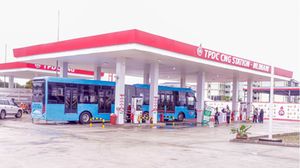
The opportunities for green security within the private security sector are unlimited as companies can opt for fuel-efficient or hybrid vehicles, used in patrols and cash in transit fleets, and adopting innovative routing systems powered by digital tools without compromising on the desired response times.
Replacing traditional kerosene lamps and diesel generators with solar-powered guard posts can help cut carbon footprints; a practical move given Tanzania’s abundant sunlight and growing solar market. Offices and training facilities also present opportunities for impact.
By investing in energy-efficient buildings, adopting waste segregation practices, and embracing paperless reporting systems, firms can make operations both greener and more efficient. Changes, no matter how little, can make a huge difference.
Thousands of uniforms are produced and replaced each year, and exploring eco-friendly textiles or recycling programmess could reduce waste and promote sustainability.
The business case for green security is also compelling. Tanzania's electricity generation mix for the national grid is currently dominated by natural gas and hydropower, but the country is actively working to upscale energy production from solar and other renewable sources as part of a significant policy shift toward greater long-term renewable energy use.
Recent industry trends have witnessed an increase in demand for sustainability compliance in procurement processes particularly from locally situated embassies, NGOs and multinational corporations.
This gives security firms that have embraced sustainability strategic positioning as a preferred partner for such clients.
Ms Makere is a Customer and Public Relations Manager at SGA Security Tanzania